Why the Push-Up Is the Ultimate Upper Body Exercise
The push-up is the most versatile, most accessible, and most underrated upper body exercise that exists. It trains the chest, shoulders, triceps, and core simultaneously. It builds genuine strength when programmed properly. It scales from absolute beginner (incline push-ups against a wall) to elite difficulty (one-arm push-ups, planche push-ups, weighted push-ups). And it costs nothing, no equipment, no membership, no setup. Done consistently with progressive variation, the push-up alone can build a substantial upper body.
Yet most adults fail to develop the push-up properly because they treat it as an all-or-nothing exercise. They try a full push-up, can't do it, and write off the exercise. Or they bang out 10 sloppy half-reps and consider themselves "good at push-ups." Neither approach builds strength. The path to genuinely strong push-ups runs through systematic progression, finding the variation appropriate to your current strength and progressing from there.
Push-Up Form Fundamentals
Before progressing through variations, master the fundamentals:
- Hand position: Slightly wider than shoulder width. Hands directly under shoulders or slightly forward.
- Body position: Straight line from head to heels. No sagging hips, no piked butts. Imagine a broomstick along your spine.
- Core engagement: Brace your abs and squeeze your glutes throughout.
- Elbow path: Elbows track at roughly 45 degrees from your body, not flared 90 degrees out, not tucked completely against your sides.
- Range of motion: Lower your chest to within 3-5cm of the floor. Push back to full elbow extension at the top.
- Tempo: 2 seconds down, 1 second pause, 1 second up.
- Breathing: Inhale on the descent, exhale on the press.
The 10-Step Push-Up Progression
1. Wall Push-Up
Stand facing a wall, arm's length away. Place your hands on the wall at shoulder height. Lean toward the wall by bending your elbows. Push back to the start. Master 3 sets of 15 with strict form before progressing. Most people can skip this stage; it's for absolute beginners and rehabilitation.
2. Incline Push-Up (Bench/Counter)
Place your hands on a sturdy bench, kitchen counter, or stable couch. Body in a straight line. Lower your chest to the surface and press back. Master 3 sets of 12. The lower the surface, the harder the variation.
3. Knee Push-Up
Standard push-up position but with your knees on the floor. Maintain a straight line from head to knees (don't pike your butt up). Master 3 sets of 12. The biggest mistake is letting the hips sag or pike, knee push-ups require the same core engagement as full push-ups.
4. Negative Push-Up
Start in a full push-up position. Lower yourself to the floor as slowly as possible (5+ seconds). Drop to your knees to return to the start. The negative builds eccentric strength, the foundation of full push-up strength. Master 3 sets of 5 slow negatives.
5. Full Push-Up
The standard push-up, performed with strict form throughout the full range of motion. Master 3 sets of 8. Most beginners reach this stage within 4-8 weeks of consistent practice.
6. Diamond Push-Up
Standard push-up position, but hands close together so thumbs and index fingers form a diamond. Lower until your chest touches your hands. Three sets of 8-10. Diamond push-ups emphasise triceps over chest.
7. Decline Push-Up
Feet raised on a sturdy bench or chair, hands on the floor. The higher the elevation, the more shoulder emphasis. Three sets of 8.
8. Archer Push-Up
Wide hand placement. Lower yourself toward one hand while the other arm extends out to the side. Reverse direction at the bottom and press up while shifting weight. Three sets of 6 per side. The archer push-up is the bridge to one-arm push-ups.
9. One-Arm Push-Up (Wall or Incline)
Start with one-arm wall push-ups, then progress to incline one-arm push-ups, then negatives, then full one-arm push-ups. Most adults need 6-18 months of training to achieve their first unsupported one-arm push-up.
10. Handstand Push-Up
The pinnacle of push-up progressions. Wall-supported handstand push-ups are the entry point; freestanding handstand push-ups are the ultimate progression. Most adults need 1-3 years of dedicated training to reach this level.
Programming for Maximum Progression
Phase 1: Build Foundation (Weeks 1-4)
Pick the variation appropriate to your current level. Train 3 days per week. 4-5 sets to near-failure with full rest between sets. Focus on perfect form.
Phase 2: Build Volume (Weeks 4-8)
Same variation, increased volume. 5-6 sets per session, 3 days per week. Aim to add 1-2 reps per set per week.
Phase 3: Progress Variation (Weeks 8-12)
Once you can do 3 sets of 12 with the current variation, move to the next variation. Repeat the build-foundation pattern with the new variation.
Greasing the Groove
An alternative to traditional sets: do small sets of push-ups (50-70% of your max) several times per day, every day. The doorframe pull-up bar in a hallway is enough, drop down for 5 push-ups every time you walk past. Five sets of 5 throughout the day produces more total volume than three failure sets in one session, and recovers fast enough to repeat tomorrow.
Common Mistakes That Stall Progress
- Hip sagging or piking. Both are core failures. Strengthen your core separately if your push-up form fails before your chest does.
- Half reps. Lowering to 30cm above the floor doesn't count. Chest must approach the floor.
- Elbows flaring 90 degrees. Strains shoulders. Keep elbows at 45 degrees.
- Looking up at the floor in front. Strains the neck. Look straight down.
- Bouncing. Reduces stimulus. Slow and controlled is harder and more productive.
- Skipping the foundation. If you can't do 12 strict knee push-ups, doing sloppy full push-ups doesn't build strength.
Why a Mat Helps
A non-slip mat under your hands provides:
- Wrist comfort during high-volume sessions
- Grip security so hands don't slide
- Cushion for negative push-ups when you drop to your knees
- Protection for floors during sweaty sessions
Yoga mats work well; larger gym mats are even better for high-volume sessions or floor-based push-up variations.
Building Push-Up Endurance
Some goals require endurance rather than strength, military fitness tests, push-up challenges, calisthenics endurance. The training differs:
- Pyramid sets: 1 rep, rest 30s, 2 reps, rest 30s, 3 reps... build up to 10 then back down. Total: 100 reps in 10 minutes.
- EMOM (Every Minute on the Minute): Set a timer. Every minute on the minute, do 8-12 push-ups. Run for 10-20 minutes total.
- Death by push-ups: Minute 1 = 1 push-up. Minute 2 = 2 push-ups. Minute 3 = 3 push-ups... continue until you can't complete the prescribed reps within the minute.
- Long sets to failure: One maximum-rep set at the start of each session, then accessory work.
Recommended Gear
6mm cushion for hand and wrist comfort during high-volume push-up sessions. Non-slip surface critical for safety.
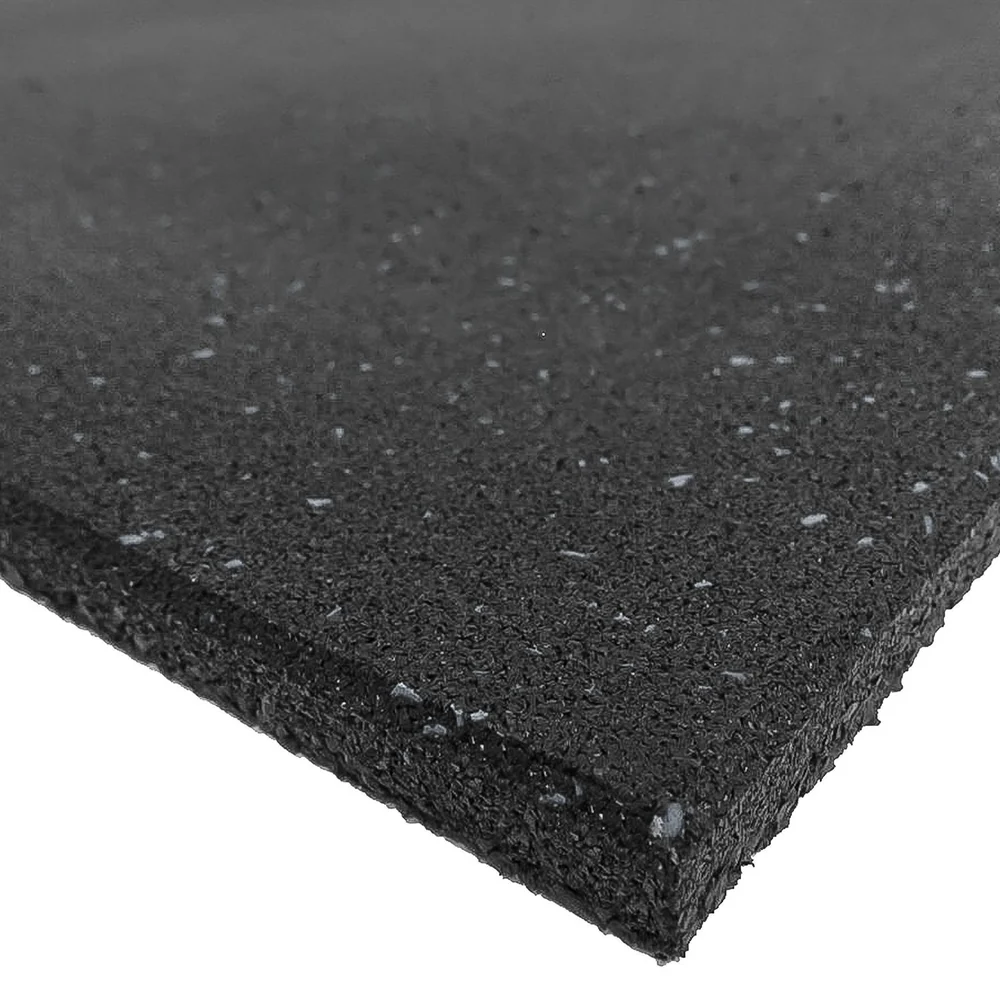
$59 PeterMat ZeroHeavy-duty 1m × 1m mat. The ideal surface for floor-based push-up variations and high-volume sessions.
$79 Doorway Pull-Up BarPair push-up training with pull-up training for balanced upper body development.
$55 Rubber Hex Dumbbells (5kg pair)Use for weighted push-ups (place dumbbells on your back) or renegade rows (combine push-up + row).
$49 Resistance Bands Set (5-Pack)Wrap a band across your back and under your hands for added resistance, turns regular push-ups into a much harder exercise.
$29 Rubber Hex Dumbbells (10kg pair)Heavier weight for advanced weighted push-up training.
$79Frequently Asked Questions
How long until I can do my first push-up?
Most adults who start with knee push-ups and progress systematically can do 1 full push-up within 4-8 weeks of consistent training. Beginners with lower starting strength may take 3-4 months.
How many push-ups should I be able to do?
Standard fitness benchmarks: 20 strict reps for a healthy adult, 40+ for fit adults, 60+ for advanced. The actual number matters less than the trajectory, adding 1 rep per week consistently for years produces excellent results regardless of starting point.
Are knee push-ups good for beginners?
Yes, they're an excellent stepping stone. Knee push-ups train the same muscles in the same patterns; the only difference is reduced load. Master 3 sets of 12 strict knee push-ups before attempting full push-ups.
Should I do push-ups every day?
Daily small sets (greasing the groove) work brilliantly for building volume and skill. Daily failure sets recover poorly and produce less progress than 3 weekly sessions. The right approach depends on your goal.
Do push-ups build big chests?
They build solid chest development with bodyweight progressions. To build maximum chest size, eventually progress to weighted push-ups, dumbbell presses, or one-arm variations. Bodyweight push-ups alone produce limited muscle growth past intermediate levels.
What if my wrists hurt during push-ups?
Try push-up handles or hex dumbbell grip (push-up on the dumbbell handles), which keep wrists neutral. Stretch and strengthen wrist flexors and extensors. Most wrist pain resolves with gradual progression and supportive equipment.
Related Guides
- Upper Body Home Workout: full upper body routines
- Calisthenics Home Gym: broader bodyweight training guide
- Pull-Up Progression: pair push training with pull training
- Arm Toning Exercises: use push-ups for arm and chest definition
- Home Gym on a Budget: minimum-equipment training approach
Build Your Push-Up Training Kit
A premium yoga mat, dumbbells for weighted variations, resistance bands, and a doorway pull-up bar for balanced training. Under $250 buys the complete push-up progression toolkit. Free shipping on orders over $75.
Shop Now