The Five Real Options
Ignore the marketing, Australian home gym flooring comes down to five choices: rubber mats, interlocking foam tiles, rubber rolls, rubber/horse stall mats, and doing nothing (bare floor or carpet). Each has a clear best-fit. Here's the honest rundown.
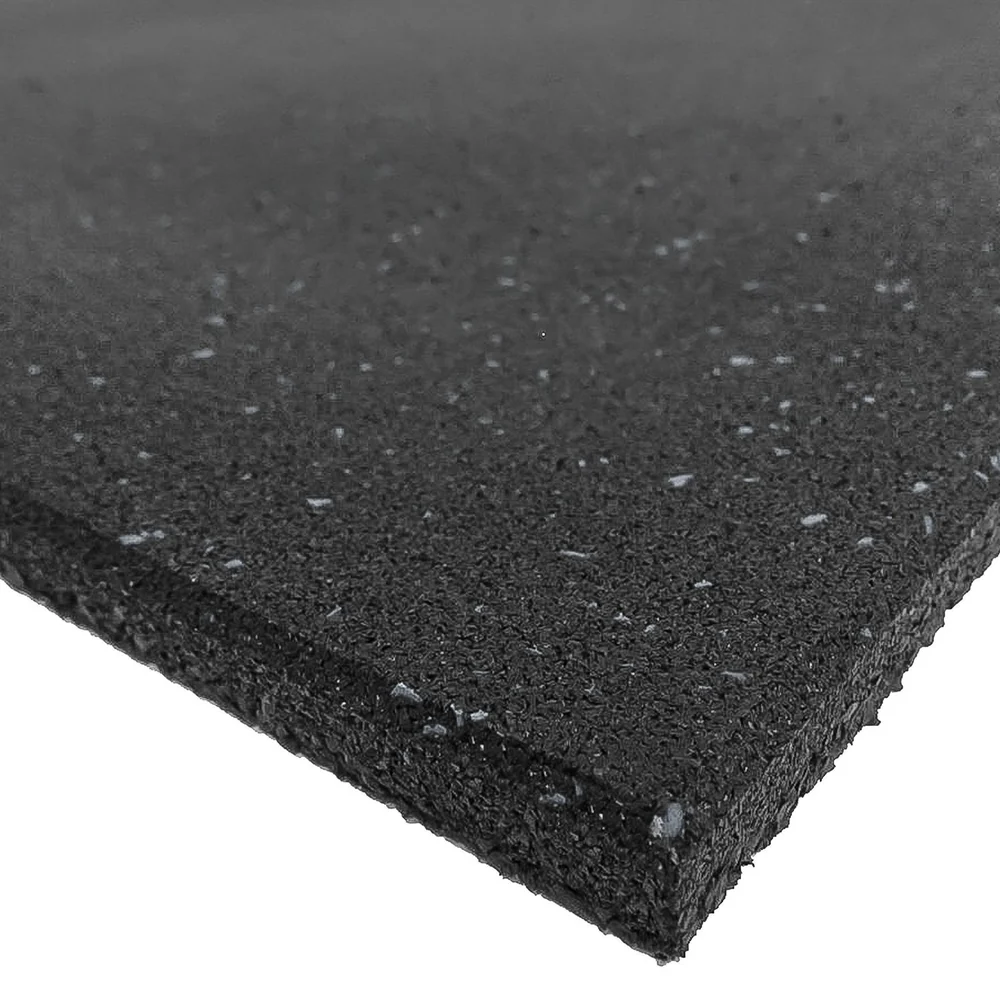
Rubber Mats (Best All-Rounder)
Best for: most home gyms. Drop-in protection for a weights or cardio station, no install, movable, expandable by adding mats. Dense, durable, great for floors and noise. Trade-off: covering a very large area with individual mats costs more than rolls. Cost: priced per mat, so it scales with the area you cover. Verdict: the default choice, buy one or two and you're done.
Interlocking Foam Tiles (Best Budget Coverage)
Best for: bodyweight/floor-work rooms and large areas on a budget. Cheap, light, comfortable, jigsaw together, expand pack by pack. Trade-off: dents and tears under heavy or dropped weights; not for serious lifting. Cost: the cheapest per square metre of the five. Verdict: excellent for yoga/HIIT/kids/floor zones, not for a barbell.
Rubber Rolls (Best for a Whole Dedicated Room)
Best for: a committed, permanent garage or shed gym where you want wall-to-wall rubber. Trade-off: expensive, heavy, awkward two-person install, not movable, overkill for most. Cost: $300-$800+ for a room. Verdict: only if you're building a permanent dedicated space and have the budget.
Horse / Stall Mats (The Garage Hack)
Best for: budget garage lifters who want big, thick, cheap rubber. Trade-off: extremely heavy, often smelly when new, industrial finish, sold through rural suppliers, hard to handle alone. Cost: variable. Verdict: a known hack, but most home users prefer purpose-made gym mats that don't reek and are sized for a workout, not a stable.
Bare Floor / Carpet (The Expensive 'Free' Option)
Best for: nobody who uses weights or machines. It's free until it isn't, dents, cracked tiles, crushed carpet, motor-killing fibres and noise complaints all cost far more than a mat. Verdict: false economy. The minimum responsible setup is a single rubber mat under whatever you train on.
What Most People Should Actually Buy
For ~90% of Australian home gyms: one or two dense rubber mats for the weights/cardio station, plus a foam tile pack or thin yoga mat if you also do floor work, no install, fully movable, expandable later. Reserve rolls and stall mats for permanent, committed, whole-room builds.
Recommended Gear
6mm non-slip TPE mat for yoga, Pilates, stretching and floor work.
$60 Foam Roller (45cm)Daily mobility and post-session recovery, pairs with any mat setup.
$45Frequently Asked Questions
What's the best flooring for a home gym in Australia?
For most people, dense rubber mats, drop-in, durable, floor- and noise-protecting, expandable, no install, starting with one 1m × 1m mat. Add foam tiles for cheap floor-work coverage. Rubber rolls only for permanent whole-room builds.
Are foam tiles good enough for a home gym?
For bodyweight, yoga, HIIT and floor work, yes, cheap, comfortable and expandable. For barbell or dropped-dumbbell lifting they dent and tear; use rubber there instead.
Are horse stall mats a good gym floor?
They're a known budget garage hack, thick, cheap rubber, but they're extremely heavy, often smell when new, and are sold through rural suppliers. Most home users prefer purpose-made gym mats that are workout-sized and odour-free.
Do I need rubber rolls for a home gym?
Only if you're building a permanent, dedicated whole-room gym and want wall-to-wall coverage. They're expensive, a two-person install and not movable, overkill for most setups, where mats are smarter.
Is training on a bare floor or carpet okay?
Not with weights or machines. Dents, cracked tiles, crushed carpet, motor damage and noise complaints all cost far more than a mat. A single rubber mat under your training area is the minimum responsible setup.
How much does home gym flooring cost?
Rubber mats are priced per mat, so the cost scales with the area you cover; foam tiles cost less per square metre; rubber rolls run $300-$800+ for a room. One or two mats cover most home gyms.
Related Guides
- Garage Gym Flooring: concrete-specific guide
- Gym Mat Buying Guide: the mat decision in depth
- Foam Tiles vs Rubber Mats: head-to-head
- Build a Home Gym Step by Step: the full build
- Protect Floors from Gym Gear: the why behind flooring
Skip the Analysis, Start With a Mat
A single dense rubber mat is the right answer for most home gyms; add tiles later if you expand. Our rubber gym mats are currently unavailable, so for floor work start with the 6mm Non-Slip TPE Yoga Mat at $60.
Shop Now