Step 1, Pick the Space (Be Realistic)
You need less than you think, 2m × 2m of clear floor is enough for a complete dumbbell-and-bands gym. A garage corner, spare room, under a carpark, or even a cleared living-room zone all work. Pick the place you'll actually walk into without friction; the best home gym is the one that's in your way, not behind a door you never open.
Step 2, Flooring First (Non-Negotiable)
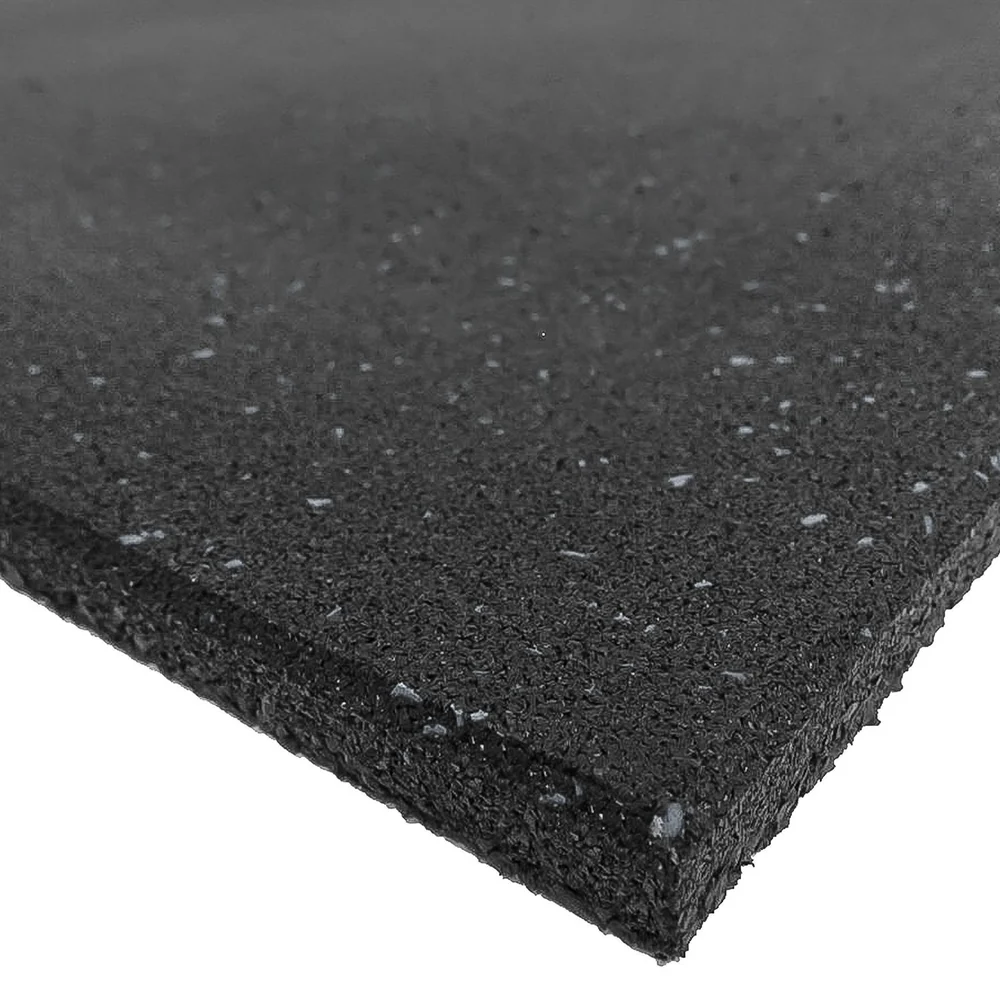
Before any equipment, sort the floor. It protects the surface, your joints and your neighbours, and it defines the 'gym' zone psychologically. A dense rubber mat is the foundation everything else sits on. Don't skip this and 'add it later', later is after the floor is already dented. See flooring options compared.
Step 3, Buy the Core Kit
In order of value-per-dollar: resistance bands (huge range of exercises, tiny cost), one or two dumbbell pairs (a light and a mid weight), a pull-up bar (the best upper-body pulling tool), and an ab roller. That's a complete strength gym for a few hundred dollars. Resist the urge to buy machines first, they're the worst value-per-dollar and space.
Step 4, Add Recovery
Recovery gear is not optional extra, it's what keeps you training consistently. A foam roller ($39) for daily mobility, and a massage gun ($119) if budget allows. Built-in recovery means fewer missed weeks from tightness and niggles, which is where most home-gym progress actually dies.
Step 5, Lay It Out for Friction-Free Use
Equipment that's a hassle to deploy doesn't get used. Keep the mat down permanently if you can. Store dumbbells and bands within arm's reach of the mat, not in a cupboard across the house. The goal: from 'I should train' to 'training' in under 30 seconds. Layout beats willpower.
Step 6, A Sensible Buy Order
- Rubber mat, protect the floor and define the space
- Resistance bands, most exercises per dollar
- Light + mid dumbbell pair, progressive load
- Pull-up bar, upper-body pulling
- Ab roller, core
- Foam roller / massage gun, recovery and consistency
- Heavier dumbbells, only once you've outgrown the mid pair
Step 7, Avoid the Classic Mistakes
- Buying a big machine first (worst value, eats space, often unused)
- Skipping the mat to 'save money' (then paying for floor damage)
- Buying weights too heavy to use with good form
- Storing gear out of sight (out of sight, out of routine)
- Over-buying on day one instead of building around what you actually use
Recommended Gear
1m × 1m, 14kg heavy-duty mat made from recycled car tyres. The single best-value protective base for a home gym. Free delivery.
$79 Resistance Bands SetFive tension levels, the cheapest way to add real resistance training to any mat.
$29 Rubber Hex Dumbbells (5kg)Rubber-coated heads won't chip tiles or timber if you set them down hard.
$49 Rubber Hex Dumbbells (10kg)The workhorse mid-weight for most home strength work.
$79 Foam Roller (45cm)Daily mobility and post-session recovery, pairs with any mat setup.
$39 Interlocking Foam Tiles (4-Pack)EVA tiles, 60×60cm each. Build a cushioned floor of any size, add packs as your space grows.
$65Frequently Asked Questions
How do I build a home gym step by step?
Pick a friction-free space, sort the flooring first (rubber mat), then buy the core kit in value order: bands, a light + mid dumbbell pair, a pull-up bar, an ab roller, then recovery tools. Lay it out so training starts in under 30 seconds.
How much space do I need for a home gym?
About 2m × 2m of clear floor is enough for a complete dumbbell-and-bands gym. A garage corner or spare-room nook works fine, you need far less space than most people assume.
What should I buy first for a home gym?
Flooring, a dense rubber mat. It protects the floor and your joints and defines the training zone. Buying equipment before flooring is the most common and most expensive mistake.
What's the best buy order for home gym equipment?
Mat, then resistance bands, then a light + mid dumbbell pair, then a pull-up bar, then an ab roller, then recovery tools, and only later heavier dumbbells. Value-per-dollar drops sharply if you buy machines first.
What's the biggest home gym mistake?
Buying a big machine first. It's the worst value per dollar and per square metre and often ends up unused. Bands, dumbbells and bodyweight cover most goals for far less.
Do I need recovery equipment?
Yes, a foam roller (and ideally a massage gun) keeps you training consistently. Most home-gym progress dies from missed weeks due to tightness and niggles, not lack of equipment.
Related Guides
- Home Gym Setup Guide: the quick-start version
- Home Gym Cost: itemised budgets
- Home Gym Checklist: the buy list
- Home Gym Mistakes to Avoid: what not to do
- Best Gear for Beginners: starting point
- Build a Complete Home Gym Under $500 in Australia: Build a complete home gym under $500 AUD.
- Build Real Muscle at Home (Without a Gym): Build real, visible muscle at home with dumbbells, a pull-up bar, and a programme that works.
Lay the Foundation First
Step 2 is flooring. The PeterMat Zero is $79 delivered, put the mat down, then build the rest of the gym on top of it.
Shop Now