Start With What You'll Actually Do On It
The single biggest buying mistake is choosing a mat for an activity you don't really do. A yoga flow mat under a 20kg dumbbell will tear in a month. A 15mm rubber slab under a yoga session is overkill that won't roll up. Before comparing products, be honest about your primary use:
- Lifting weights / dropping dumbbells: you need dense rubber, 8mm+, that absorbs impact and protects the floor.
- Bodyweight, HIIT, jumping: a thick, bouncy, large mat so your knees and the floor survive burpees.
- Yoga, Pilates, stretching: thinner (4-8mm), grippy, lightweight, easy to roll.
- Cardio machine: a firm, low-profile mat that stops vibration and sweat reaching the floor.
Most Australian home gyms are a mix, so the smart buy is one heavy-duty mat that covers 80% of cases plus a thin yoga mat for floor work.
Material: Rubber vs Foam vs PVC
Three materials dominate the market, and the difference is night and day for durability:
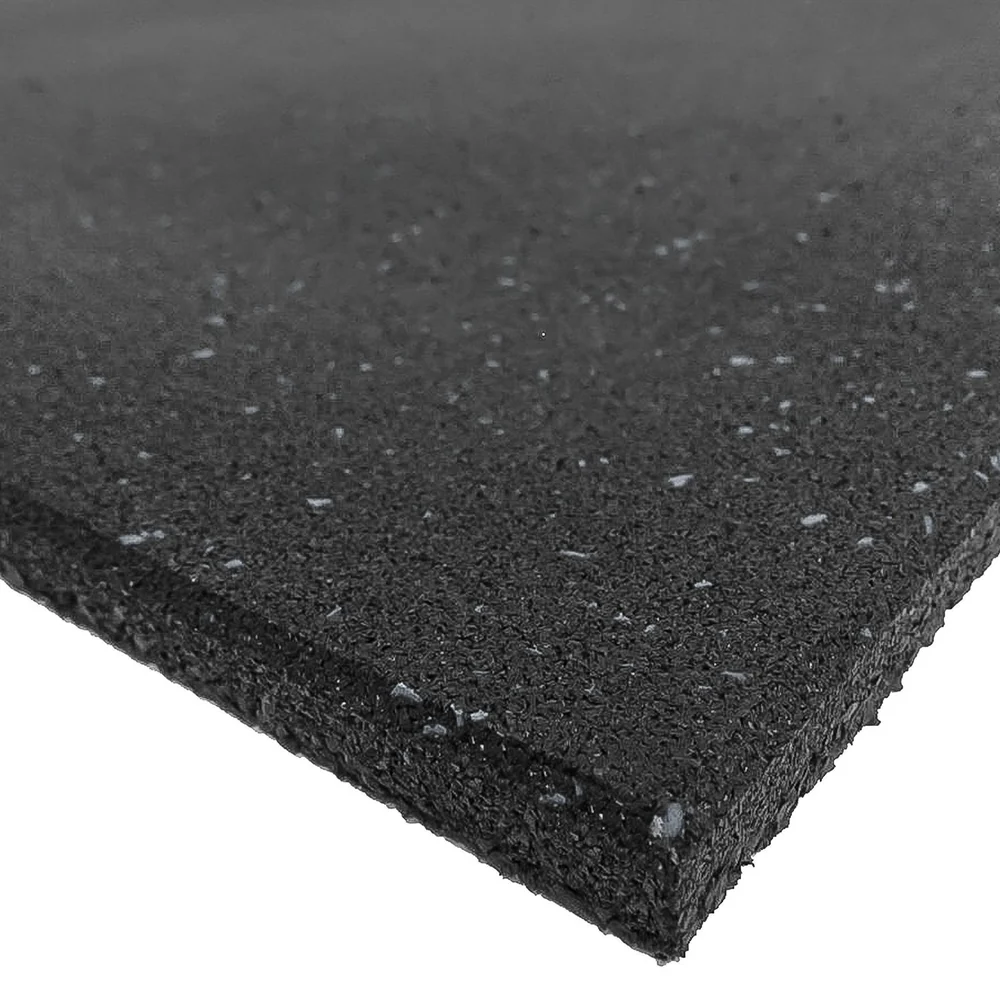
- Recycled rubber: the gold standard for home gyms. Dense, near-indestructible, excellent impact absorption, doesn't dent under racks or weights. Heavier and pricier, but it's a buy-once item. The PeterMat Zero is recycled car tyre rubber.
- EVA / NBR foam: light, cheap, comfortable for floor exercises and tiles. Great for cushioning, poor under heavy or dropped weights (it compresses and tears). Best as interlocking tiles for a dedicated room.
- PVC / TPE: typical "yoga mat" material. Grippy and thin, made for bodyweight and stretching, not load.
If you only remember one thing: rubber for weights and durability, foam for comfort and coverage, PVC for yoga.
Thickness: The Numbers That Matter
Thickness is measured in millimetres and the right number depends entirely on use:
- 4-6mm: yoga, Pilates, stretching. Stable for standing poses, easy to roll.
- 8-12mm: the home-gym sweet spot. Cushions joints for HIIT and bodyweight, protects floors from dumbbells. The PeterMat Zero sits here.
- 15-20mm+: heavy barbell platforms and commercial drop zones. Overkill (and a trip hazard) for most homes.
Thicker is not automatically better. Above ~12mm, balance and stability suffer for standing and weighted work, you don't want to roll an ankle doing lunges on a spongy mat.
Size: Don't Buy Too Small
The most common regret we hear is "I should have got a bigger one." A mat that's too small means you're constantly half-on, half-off it. Practical guidance:
- 1m × 1m (the PeterMat Zero), covers a kettlebell/dumbbell station, a single cardio machine, or a stretching spot. Buy two and butt them together for a 2m run.
- Interlocking tiles: the flexible option: start with one 4-pack (1.2m × 1.2m) and add packs to floor an entire room corner.
- Full-room rubber rolls: for a committed garage gym only; expensive and a two-person install.
For most people, one or two 1m × 1m mats or two tile packs is the right first purchase.
Floor Protection: The Reason Most People Buy
If you rent, or have timber, tile or laminate, the mat is insurance. A single dropped 10kg dumbbell can crack a tile or dent a floorboard, a repair that costs far more than the mat and, for renters, your bond. A dense rubber mat spreads and absorbs that impact. This is why we recommend rubber over foam for anyone with hard floors: foam transmits a sharp drop straight through; rubber doesn't. See our dedicated guide on protecting floors from gym equipment.
Noise and Neighbours
Apartment and townhouse trainers have a second problem: vibration travels through floors to the unit below. Dense rubber is the best domestic sound dampener you can buy without engineering acoustic underlay. Combine a rubber mat with controlled (not dropped) weights and most complaints disappear. If noise is your main concern, read noise-reducing gym flooring for apartments.
Price: What You Should Expect to Pay (AUD)
Australian pricing, delivered:
- $20-$50: thin yoga/exercise mats and single foam tiles. Fine for stretching, not for weights.
- $60-$95: a quality heavy-duty rubber mat or a tile multi-pack. This is the value zone where most home gyms should buy.
- $150-$400+: full rubber flooring rolls and commercial platforms.
The PeterMat Zero is $79 with free delivery, deliberately positioned in the value zone because the mat is the foundation everything else sits on, and it shouldn't be the thing you cheap out on.
A Simple Decision Rule
If you want one mat and don't want to think about it again: buy one dense rubber mat around 1m × 1m, 10mm+, recycled material. It survives weights, cushions bodyweight work, protects any floor, dampens noise, and rolls away. Add a thin yoga mat ($59) only if you do regular floor-based yoga or Pilates. That two-mat setup, under $140, covers virtually every home trainer in Australia.
Recommended Gear
1m × 1m, 14kg heavy-duty mat made from recycled car tyres. The single best-value protective base for a home gym. Free delivery.
$79 PeterMat RoundCircular version of the Zero, ideal for kettlebell, mobility and stretching zones where you move around a centre point.
$89 Interlocking Foam Tiles (4-Pack)EVA tiles, 60×60cm each. Build a cushioned floor of any size, add packs as your space grows.
$65 Premium Yoga Mat6mm non-slip mat with alignment marks for yoga, Pilates, stretching and floor work.
$59 Carrying StrapRoll and carry a mat between rooms or to the park in seconds.
$18 Foam Roller (45cm)Daily mobility and post-session recovery, pairs with any mat setup.
$39Frequently Asked Questions
What thickness gym mat is best for a home gym?
8-12mm is the home-gym sweet spot. It cushions joints for HIIT and bodyweight while protecting floors from dumbbells. Below 6mm is for yoga only; above 15mm is commercial-platform territory and hurts stability for standing work.
Is rubber or foam better for a gym mat?
Rubber for weights and durability, it absorbs dropped-weight impact and won't tear or compress. Foam (EVA tiles) is cheaper and more comfortable for floor exercises but fails under heavy or dropped weights. Most home gyms should buy rubber.
Will a gym mat protect my timber or tiled floor?
A dense rubber mat will protect timber, tile and laminate from dumbbells and machine vibration. Thin foam will not reliably stop a sharp drop. For renters this is bond insurance, the mat costs far less than a cracked tile.
What size gym mat should I buy?
1m × 1m covers a single weights or cardio station. Most people underestimate, if in doubt, buy two and butt them together, or use interlocking tiles you can expand pack by pack.
How much should a good gym mat cost in Australia?
Expect $60-$95 delivered for a quality heavy-duty rubber mat. Under $50 buys a thin yoga mat only. The PeterMat Zero is $79 with free delivery.
Do I need more than one mat?
Most home trainers are well covered by one dense rubber mat plus, optionally, a thin yoga mat for floor-based yoga or Pilates. That two-mat setup handles weights, cardio, HIIT and stretching.
Related Guides
- Best Home Gym Mats Australia: our ranked pick list
- Gym Mat Thickness Guide: the millimetre numbers in depth
- Rubber vs Foam Gym Mats: the material decision explained
- Gym Mat Size Guide: what size you actually need
- Protect Floors from Gym Gear: the floor-damage problem
Get the Mat That Does It All
The PeterMat Zero is $79 with free delivery, recycled rubber, 1m × 1m, 14kg, built to outlast every other piece of gear you own.
Shop Now