Why Exercise Is Critical (Not Optional) With Arthritis
The most damaging thing you can do with arthritic joints is stop moving them. Decades of research, across rheumatoid, osteoarthritis, and other inflammatory arthritis variants, show that consistent low-impact exercise reduces joint pain, slows cartilage degeneration, improves function, and reduces the dose of medication most patients need. Conversely, inactivity accelerates almost every metric of joint health: muscles atrophy, joints stiffen, weight increases, inflammation rises, and pain worsens.
The challenge is choosing the right kind of exercise. Running, jumping, contact sports, and high-impact aerobics frequently aggravate arthritic joints. Strength training, swimming, cycling, walking, yoga, and tai chi consistently produce benefits. The exercises below are drawn from arthritis foundation guidelines, evidence-based rheumatology practice, and the work of physiotherapists who specialise in joint conditions. They're designed for daily or near-daily practice, building tolerance over weeks rather than days.
Three Principles for Training With Arthritis
- Pain that lasts more than 2 hours after exercise is a warning sign. If you're sore the next morning, you went too hard. Reduce intensity by 30% next session.
- Joints feel better when warm. Always start with 5-10 minutes of gentle movement (walking, marching in place, gentle joint circles) before any structured exercise. The joint capsule needs warmth to produce synovial fluid, which lubricates the joint and reduces friction.
- Consistency beats intensity. Twenty minutes of gentle exercise five days per week beats one hour twice a week. Daily low-volume work keeps joints lubricated and muscles activated.
What You Need at Home
- A cushioned mat: essential for floor exercises. A 6mm yoga mat works for most; a thicker gym mat is gentler on tender joints during prolonged floor work.
- Light dumbbells (1-3kg) for strengthening. Heavier weights aren't necessary or recommended for most arthritic conditions.
- A resistance band for variable resistance training. Bands are gentler on joints than free weights at end ranges.
- Yoga blocks and a yoga strap to modify difficulty and support stiff joints.
- A foam roller for gentle muscle release that takes load off the joints.
- Optional: a sturdy chair for seated and chair-supported exercises during flare-ups.
10 Arthritis-Friendly Exercises
1. Seated Marching
Sit upright in a sturdy chair. Lift one knee toward your chest, then lower. Alternate. Three sets of 20 reps total. The seated march warms up hip flexors and engages the core without joint loading. Perfect first exercise for any arthritis session.
2. Wall Push-Up
Stand facing a wall, arm's length away. Place your palms on the wall at shoulder height. Slowly bend your elbows to lower your chest toward the wall. Push back to the start. Three sets of 10-15. Wall push-ups build chest, shoulder, and tricep strength without the wrist, elbow, and shoulder loading of floor push-ups.
3. Seated Knee Extension
Sit in a chair with your feet flat. Slowly extend one leg straight out, hold for 2 seconds, then lower with control. Three sets of 12 per leg. The seated knee extension strengthens the quadriceps without compressing the knee joint, particularly valuable for knee osteoarthritis.
4. Banded Row
Sit on the floor or in a chair. Loop a resistance band around your feet and hold both ends. Pull the band toward your hips, squeezing your shoulder blades together. Three sets of 12. Rows balance the postural muscles that get tight from chair sitting.
5. Glute Bridge
Lie on your back with your knees bent and feet flat. Drive through your heels and squeeze your glutes to lift your hips. Three sets of 12. The glute bridge strengthens the hips and lower back without joint compression.
6. Tai Chi Weight Shift
Stand with feet shoulder-width apart. Slowly shift your weight from one foot to the other, lifting the unweighted foot just slightly off the floor. Smooth, continuous movement. Three minutes. Tai chi-style weight shifts improve balance and joint proprioception without high-impact stress.
7. Seated Spinal Twist
Sit upright in a chair. Place your right hand on your left knee and your left hand behind you. Slowly rotate your torso to the left. Hold for 20 seconds. Switch sides. Three rounds per side. Gentle spinal rotation prevents the lumbar and thoracic stiffness that produces compensatory movement patterns and joint pain elsewhere.
8. Light Dumbbell Curl
Sit or stand with a 1-2kg dumbbell in each hand. Curl the weights toward your shoulders. Lower with control. Three sets of 10-12. Light curls maintain biceps strength without elbow joint stress.
9. Modified Plank
Begin on hands and knees. Walk your hands forward until you're in a half-plank position with your knees on the mat. Hold for 15-30 seconds. Three sets. The modified plank builds core strength without the wrist and shoulder loading of full planks.
10. Cat-Cow
On all fours (use a thick mat or place yoga blocks under your hands if your wrists are sensitive). Inhale and arch your back; exhale and round it. Move slowly through 10 cycles. Cat-cow keeps the spine mobile and reduces morning stiffness.
A Daily 20-Minute Routine
- Warm-up (5 minutes): Seated marching, gentle joint circles (ankles, wrists, shoulders), shoulder rolls.
- Main session (10 minutes): Wall push-ups 2×12, banded rows 2×12, seated knee extension 2×12 per leg, glute bridge 2×12, modified plank 2×20s.
- Cool-down (5 minutes): Cat-cow, seated spinal twist, gentle hip flexor stretch, child's pose if comfortable.
Total time: 20 minutes. Frequency: 5-6 days per week. Most patients report meaningful improvement in joint pain, function, and morning stiffness within 4-6 weeks.
Cardiovascular Exercise With Arthritis
Cardio matters as much as strength training for arthritis management. The right options:
- Walking: the most universally applicable cardio. Even 20 minutes daily produces benefits. Use cushioned shoes on softer surfaces (parks, treadmills) rather than concrete.
- Swimming: the gold standard for arthritis cardio. Water buoyancy removes 70%+ of joint loading.
- Stationary cycling: gentle on knees and hips with proper bike fit (saddle high enough to nearly straighten the leg at full extension).
- Elliptical: low-impact alternative to running.
- Tai chi and gentle yoga: provide cardiovascular benefit alongside strength and balance.
Avoid running, high-impact aerobics, jumping, and contact sports during active flare-ups. Many can return to these gradually once symptoms stabilise.
What About Inflammation?
Lifestyle factors that reduce systemic inflammation amplify the benefits of exercise:
- Adequate sleep (7-9 hours), sleep deprivation directly increases inflammation
- Mediterranean-style eating (olive oil, fish, vegetables, nuts, legumes)
- Limiting ultra-processed foods and added sugars
- Maintaining a healthy weight (each kilogram of excess body weight produces 4kg of force on knee joints during walking)
- Managing stress through movement, breathing practices, or therapy
- Following your prescribed medication regimen, exercise complements but doesn't replace medical treatment
Recommended Gear
6mm cushion for floor exercises. Non-slip surface for stability during seated and standing work.
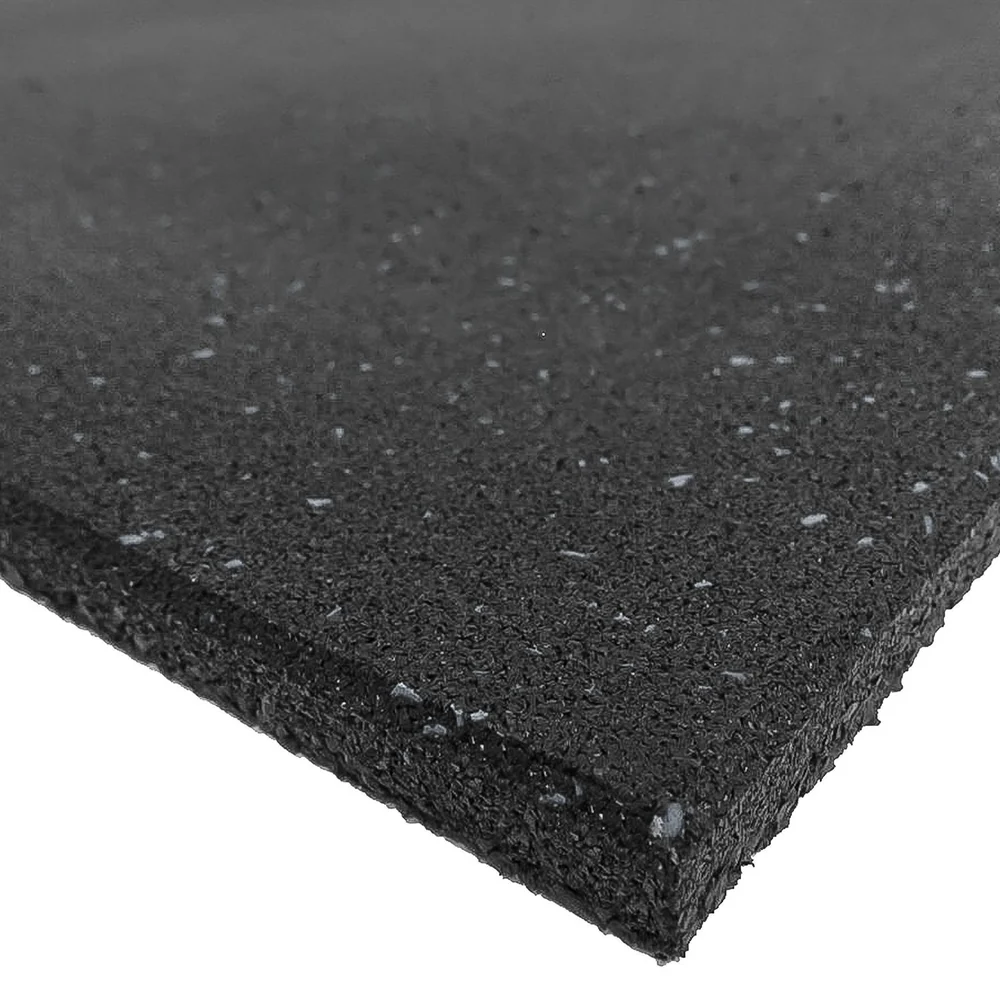
$59 PeterMat ZeroHeavy-duty 1m × 1m gym mat with 14kg of recycled rubber. Extra cushion for tender knees, hips, and elbows during floor work.
$79 Rubber Hex Dumbbells (1kg pair)Ultra-light pair for arthritis-friendly strengthening. Builds muscle without joint stress.
$22 Rubber Hex Dumbbells (2kg pair)Progression weight once 1kg becomes easy. Most arthritis patients stay in the 1-3kg range long-term.
$29 Resistance Bands Set (5-Pack)Five resistance levels for variable, joint-friendly strengthening.
$29 Yoga Blocks (2-Pack)Support stiff joints during stretches. Bring the floor closer when range of motion is limited.
$25Frequently Asked Questions
Is it safe to exercise with arthritis?
Yes, and inactivity is far more damaging long-term. The exercises in this guide are joint-friendly and have been used safely by millions of arthritis patients. The general rule: start slowly, listen to your joints, and stop any exercise that produces pain lasting more than 2 hours after.
What if my joints hurt during exercise?
Mild discomfort during exercise is acceptable; sharp or shooting pain isn't. Modify the exercise (smaller range of motion, lighter weight, fewer reps) or substitute it. Pain that lasts more than 2 hours after exercise means you went too hard.
Can exercise reverse arthritis?
Exercise can't reverse cartilage damage, but it can dramatically slow progression, reduce pain, and improve function. Most patients experience 30-50% reductions in pain scores within 8-12 weeks of consistent practice.
Should I use heat or ice?
Heat before exercise to warm stiff joints. Ice after exercise if a joint is acutely inflamed. For chronic low-grade discomfort, heat is usually more comforting; for acute flare-ups, ice.
What if I have a flare-up?
During acute flares, reduce intensity rather than stopping completely. Switch to gentle movement (slow walking, water exercise, seated mobility work). Resume strength training when symptoms calm. Total inactivity prolongs flares.
How long until I see improvement?
Most patients notice reduced morning stiffness within 2 weeks. Pain reductions become significant at 4-6 weeks. Strength and function improvements continue for months, there's no upper limit on how much arthritis patients can improve with consistent training.
Related Guides
- Seniors Fitness Equipment: more equipment recommendations for older adults
- Balance and Stability Exercises: prevent falls, the leading cause of serious injury with arthritis
- Over 40 Fitness Guide: broader guide for active aging
- Hip Mobility Exercises: specific hip work that reduces arthritic stiffness
- Foam Roller Recovery: muscle release that takes load off arthritic joints
Build Your Joint-Friendly Kit
A cushioned mat, light dumbbells (1kg + 2kg), a resistance band set, and yoga blocks. Under $160 buys the complete toolkit for arthritis-friendly home training. Free shipping on orders over $75.
Shop Now