Why Balance Matters at Every Age
Balance is the most rapidly lost athletic quality after age 30. Without specific training, balance declines steadily through the 30s and 40s and accelerates in the 50s. By 60, most adults who haven't trained balance have lost 30-50% of their peak capacity. The consequences are practical: falls become the leading cause of accidental injury and death in adults over 65, and most falls trace back to inadequate balance and stability.
Beyond fall prevention, balance training improves athletic performance, reduces injury risk in everyday activity, supports better posture, and enhances neurological function. The cerebellum (the part of your brain that controls balance) is heavily involved in coordination, decision-making, and proprioception. Training balance is, in a meaningful sense, training the brain.
The good news is that balance is highly trainable. Even adults in their 70s and 80s show measurable improvement within 6-8 weeks of structured balance training. The exercises below progress from simple to advanced and support all ages and fitness levels.
Equipment You Need
- A non-slip mat for cushioning and stable footing.
- A sturdy chair for support during initial progressions.
- Light dumbbells (1-5kg) for weighted balance work later in the progression.
- Optional: a balance pad or foam pad for unstable-surface training.
- Optional: a yoga strap for stretching and stability assistance.
10 Balance Exercises Progressing From Simple to Advanced
1. Heel-to-Toe Stand
Stand with one foot directly in front of the other, heel to toe. Hold for 30 seconds. Switch foot positions. The heel-to-toe stand challenges narrow base of support, a foundational balance skill. Three rounds, daily for 4 weeks before progressing.
2. Single-Leg Stand
Stand on one foot. Hold lightly to a chair if needed. Build to 30-60 seconds per leg without support. Three sets per leg. The single-leg stand is the most basic and most important balance exercise. Most fall-related injuries trace back to single-leg stability failures during walking and stair climbing.
3. Heel-to-Toe Walk
Walk in a straight line placing one heel directly in front of the other toe. Twenty steps. Three rounds. The heel-to-toe walk progresses the single-leg stand into a dynamic balance challenge.
4. Single-Leg Stand With Eyes Closed
Same as the single-leg stand, but with eyes closed. Closing your eyes removes 70% of the input you use for balance, forcing the vestibular system and proprioceptors to work harder. Hold for 15-30 seconds per leg. Three sets per leg.
5. Single-Leg Romanian Deadlift
Hold a light dumbbell in one hand. Stand on the opposite leg. Hinge at the hip and lower the dumbbell toward the floor while extending your free leg behind you. Drive through your standing heel to return. Eight reps per side, three sets. The single-leg RDL is the most effective dynamic balance exercise that exists.
6. Side-to-Side Hop
Stand on one foot. Hop sideways and land on the other foot. Stick the landing, don't continue hopping immediately. Pause, then hop back. 10 reps per side. The side-to-side hop trains the lateral stability that's most often involved in falls.
7. Tai Chi Weight Shift
Stand with feet shoulder-width apart. Slowly shift your weight from one foot to the other, lifting the unweighted foot just slightly off the floor. Continuous, smooth movement for 2 minutes. Tai chi-style weight shifts build proprioception and reduce fall risk by 50%+ in research with older adults.
8. Bosu / Pillow Squats
Stand on a foam pad or pillow. Perform bodyweight squats. Three sets of 10. The unstable surface forces continuous micro-corrections, training stabiliser muscles that flat-floor squats never engage.
9. Single-Leg Squat (Pistol Progression)
Hold a sturdy support. Slowly lower into a one-legged squat, going as deep as you can control. Use the support as needed. Build toward unsupported single-leg squats over months. The pistol squat is the ultimate test of single-leg balance, mobility, and strength.
10. Standing on One Leg, Brushing Your Teeth
Practical balance integration. Brush your teeth standing on one leg for 60 seconds, then switch. Twice daily. The everyday integration is what produces lasting balance improvement, formal training only works when applied to real life.
A 10-Minute Daily Balance Routine
Done daily, this routine produces measurable balance improvements within 4-6 weeks:
- Warm-up (1 min): Marching in place, gentle ankle circles
- Single-leg stand: 3 × 30s per side
- Heel-to-toe walk: 3 rounds of 20 steps
- Single-leg Romanian deadlift: 3 × 8 per side
- Tai chi weight shift: 2 minutes
- Side-to-side hop: 3 × 10 per side
Progressing Difficulty
Once an exercise becomes easy, add one of these challenges:
- Close your eyes: removes visual input.
- Add a head turn: challenges the vestibular system.
- Stand on a soft surface: pillow, foam pad, or balance pad.
- Add weight: hold light dumbbells.
- Add a cognitive task: count backwards from 100 by 7s while balancing. Cognitive-physical integration is highly relevant to real-world balance.
- Add movement: turn your head from side to side, reach overhead, swing your arms.
When to See a Specialist
Most balance issues respond to home training. See a doctor or physiotherapist if:
- You've fallen recently or repeatedly
- You experience dizziness or vertigo
- Balance loss has progressed rapidly over weeks or months
- Loss of balance is accompanied by other neurological symptoms (numbness, tingling, vision changes)
- You've had a recent head injury
Balance Across the Lifespan
- Ages 20-40: Balance is at its peak. Maintenance work prevents decline.
- Ages 40-60: Decline accelerates. 5-10 minutes of daily balance work prevents most decline.
- Ages 60-75: Critical period for fall prevention. Daily training reduces fall risk by 50%+ in research populations.
- Ages 75+: Balance training reduces fall-related injury and mortality. Tai chi and yoga are gold-standard interventions.
Recommended Gear
6mm cushion for balance work and floor exercises. Non-slip surface critical for safety during balance training.
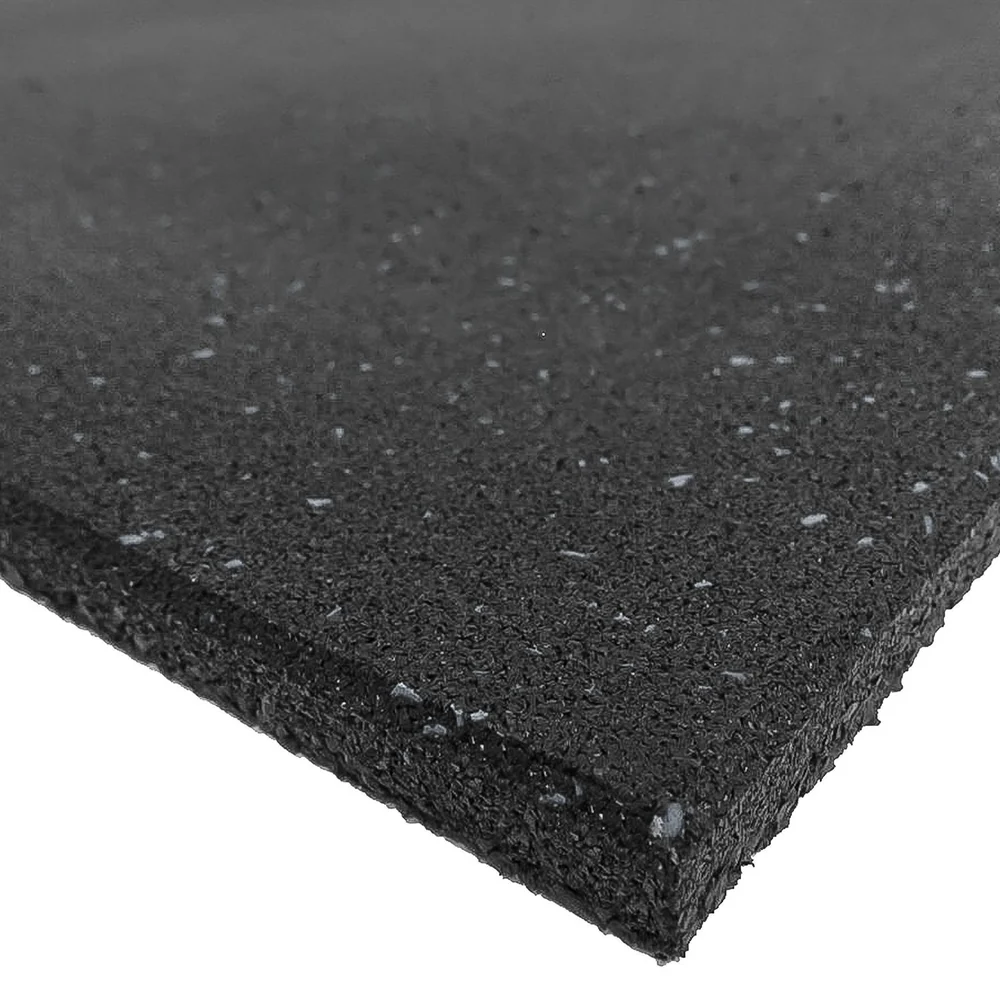
$59 PeterMat ZeroHeavy-duty 1m × 1m gym mat. Provides cushion for landings during hop work.
$79 Rubber Hex Dumbbells (3kg pair)Light dumbbells for weighted balance work. Single-leg RDLs and goblet single-leg squats.
$35 Rubber Hex Dumbbells (5kg pair)Progression weight for advanced balance work.
$49 Yoga Blocks (2-Pack)Provide support during single-leg work. Bring the floor closer when balance is limited.
$25 Yoga Strap with D-RingAssistance for stretches and stabilisation work. Useful for maintaining shape during balance progressions.
$15Frequently Asked Questions
How long until balance improves?
Most adults see measurable improvements within 4-6 weeks of daily training. Older adults sometimes take 8-12 weeks. The cerebellum adapts quickly to focused practice.
Can I improve balance at any age?
Yes. Research consistently shows that balance training improves outcomes in adults of all ages, including those in their 80s and 90s. The neural systems that control balance remain plastic throughout life.
How often should I train balance?
Daily, in short bouts. 5-10 minutes daily produces better results than 30 minutes twice a week. Integration into daily activities (single-leg stands while brushing teeth, heel-to-toe walking down hallways) is the most effective approach.
Does yoga improve balance?
Yes, yoga is excellent balance training, particularly poses like tree pose, eagle pose, and warrior III. Tai chi is even more focused on balance specifically and produces the largest balance improvements in research.
What if I'm afraid of falling during training?
Train next to a wall or sturdy chair. Wear non-slip footwear. Start with the easier exercises (heel-to-toe stand, supported single-leg stand) before progressing. Fear of falling is itself a fall risk factor, controlled exposure to balance challenges reduces fall fear over time.
Are unstable surfaces (Bosu, balance pad) better than flat ground?
Unstable surfaces add challenge but also add injury risk. Master flat-ground exercises first. Add unstable surfaces only once you're confident in the basic progressions. Most adults don't need unstable equipment at all.
Related Guides
- Seniors Fitness Equipment: broader equipment guide for older adults
- Arthritis-Friendly Exercises: balance work safe for arthritic joints
- Over 40 Fitness Guide: active aging strategies
- Hip Mobility Exercises: mobility supports balance
- Yoga for Beginners: yoga is excellent balance training
Build Your Balance Kit
A premium yoga mat, a heavy-duty cushion mat, light dumbbells (3kg + 5kg pairs), yoga blocks, and a yoga strap. Under $200 buys you the complete balance training toolkit. Free shipping on orders over $75.
Shop Now