Do You Actually Need One?
Honest answer first: a massage gun is a recovery accelerator, not a necessity. A foam roller and massage balls cover most people's needs cheaply. But if you train hard and often, sit at a desk all day, get recurring tight spots, or simply won't stay consistent with manual rolling, a massage gun pays for itself in recovery, comfort and consistency. It's an upgrade for committed trainers, not a beginner essential.
The Three Specs That Actually Matter
- Stall force: how much pressure you can apply before the motor stalls. Too little and it bogs down the moment you press into a real knot. This matters more than RPM marketing.
- Amplitude (stroke depth): how far the head travels. Greater amplitude reaches deeper tissue; tiny amplitude just buzzes the surface. The most under-advertised spec.
- Battery life: enough to do a full body session and several sessions between charges. A flat gun mid-recovery is a dead gun.
Speed settings and 'percussions per minute' are the headline numbers but stall force and amplitude determine whether it actually works on tight tissue.
Specs That Don't Matter as Much as the Marketing Says
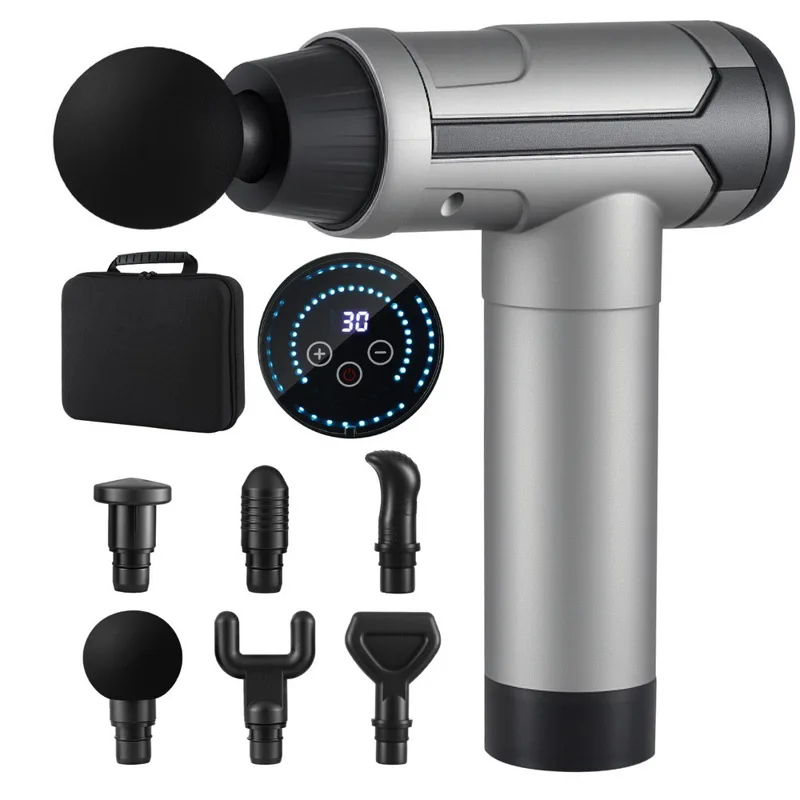
Ignore the arms race on: maximum RPM (past a point it's meaningless without stall force behind it), number of speed settings (most people settle on a few favourites), 'AI' apps, and gimmicky attachment counts. A handful of useful heads (ball, flat, fork, bullet) covers every muscle group. More plastic in the box is not more recovery.
Ergonomics and Noise
Two practical factors: grip and weight: you'll hold it at awkward angles to reach your own back and shoulders, so a manageable weight and a multi-grip handle matter for actual use; and noise: early massage guns were jackhammers. A reasonably quiet unit is the difference between using it while watching TV and never bothering. Both affect consistency more than spec sheets admit.
Massage Gun vs Foam Roller
They do different jobs. A foam roller covers large muscle groups (back, quads, hamstrings) broadly and cheaply. A massage gun targets specific knots and hard-to-roll spots with adjustable intensity, and is gentler to apply. The ideal recovery kit is both: roller for broad work, gun for pinpoint. If you can only buy one and you're a beginner, start with the roller; if you train hard and have recurring tight spots, the gun earns its place. See the full comparison.
Our Recommendation
For most home trainers who genuinely train hard: one Massage Gun ($48) with adequate stall force, useful amplitude and all-session battery, plus a Foam Roller ($45) for broad work and a firm massage ball for the feet/glutes/shoulders a gun handles awkwardly. The gun and roller come to $93, and it's the difference between training consistently and being sidelined by tightness.
Recommended Gear
Percussion therapy for targeted muscle release and faster recovery between sessions.
$48 Foam Roller (45cm)Firm EVA roller for daily mobility and post-session recovery.
$45 6mm Non-Slip TPE Yoga Mat6mm non-slip TPE mat, comfortable for floor work, Pilates and stretching.
$60Frequently Asked Questions
What should I look for in a massage gun?
Three specs that actually matter: stall force (pressure before the motor bogs down), amplitude (stroke depth, how deep it reaches), and battery life (enough for a full session and several sessions per charge). RPM and speed-setting counts are mostly marketing.
Do I really need a massage gun?
It's a recovery accelerator, not a necessity. A foam roller and massage balls cover most people. A massage gun is worth it if you train hard and often, sit all day, get recurring tight spots, or won't stay consistent with manual rolling.
What massage gun specs are just marketing?
Maximum RPM without stall force behind it, large numbers of speed settings (most people settle on a few), 'AI' apps and huge attachment counts. A few useful heads and solid stall force/amplitude matter far more than headline numbers.
Massage gun or foam roller, which is better?
Different jobs. A roller covers large muscle groups broadly and cheaply; a gun targets specific knots with adjustable intensity. The ideal kit is both. Beginners start with the roller; hard trainers add the gun.
Does massage gun noise matter?
Yes, for consistency. A loud unit gets used less. A reasonably quiet gun is the difference between recovering while watching TV and never bothering, which matters more than most spec sheets admit.
What's a complete recovery kit?
A massage gun for pinpoint work, a foam roller for broad muscle groups, and a firm massage ball for feet, glutes and shoulders. The gun and roller cost $93 in our shop, enough to keep you training consistently instead of sidelined by tightness.
Related Guides
- Massage Gun Benefits: what it does for recovery
- Foam Roller vs Massage Gun: which recovery tool
- Foam Roller Buying Guide: the roller side
- Post-Workout Recovery: the full routine
- Best Recovery Tools: ranked picks
- Resistance Bands Buying Guide (Australia): A resistance bands buying guide for Australia, loop vs tube vs fabric bands, tension levels, and the cheapest...
Recover Like You Train, Hard
Our Massage Gun ($48, delivery included to most of Australia) plus a Foam Roller ($45) covers pinpoint and broad recovery work for $93.
Shop Now