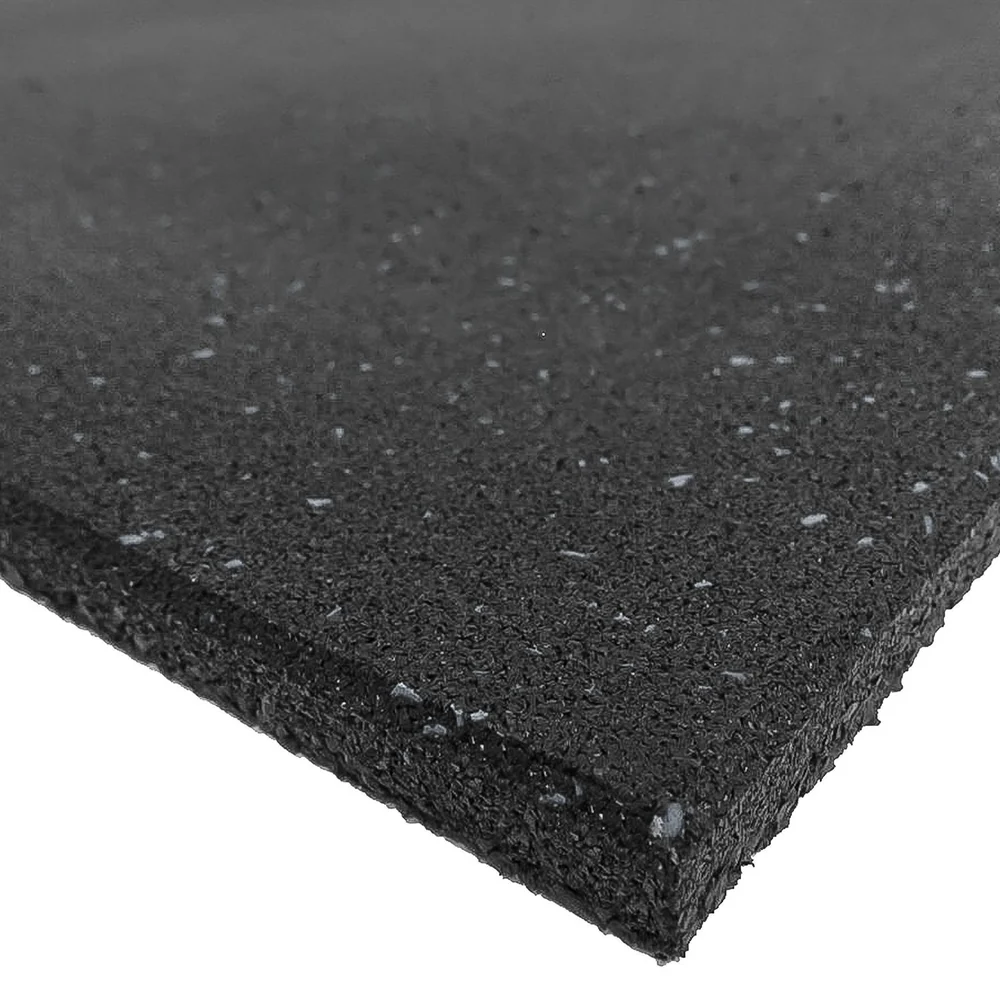
Short answer: the best home gym mat for most Australians is a dense rubber mat of 15 to 20mm, around 1m x 1m, heavy enough to stay put. It handles dumbbells, kettlebells, bands and bodyweight training and protects timber, tile and concrete. Foam tiles are the right choice if you want to cover a whole room cheaply for cardio and stretching but not for weights. A yoga mat is for yoga. For a dumbbell station, look for 15mm rubber at about 1m x 1m and 10kg or more. For kettlebells and movement in every direction, a 20mm round rubber mat. For covering a spare-room floor on a budget, interlocking 60cm foam tiles. Our rubber gym mats and foam tiles are currently unavailable, so this guide covers what to look for wherever you buy. For yoga, Pilates and floor work, our 6mm Non-Slip TPE Yoga Mat is $60.
What Makes a Good Gym Mat
- Density and weight. A 1m x 1m mat under 5kg is foam and will compress under weights. Rubber mats in this size weigh 10 to 15kg.
- Thickness. 15 to 20mm for weights, 10 to 15mm for HIIT, 4 to 8mm for yoga. Our thickness guide goes into detail.
- Size. 1m x 1m is the minimum for a dumbbell station. Floor exercises want 1.8m of length, which is where a yoga mat on top of the rubber works well.
- Surface. A textured top for grip in sweat, a flat base that does not walk across the floor.
- Material. Recycled tyre rubber is the most durable and the cheapest per year of use. EVA foam is light and soft. PVC and TPE are yoga mat materials.
The Best Home Gym Mats Compared
| Mat | Size | Thickness | Weight | Best for | From PeterMat |
|---|---|---|---|---|---|
| Square rubber mat | 1m x 1m | 15mm | 10 to 15kg | Dumbbells, kettlebells, all-round training | Currently unavailable |
| Round rubber mat | About 1.2m diameter | 20mm | Heavy rubber | Kettlebell swings, rotational work, a defined station | Currently unavailable |
| Interlocking foam tiles | 60cm x 60cm each | EVA foam | Light | Cardio, stretching, covering a room | Currently unavailable |
| 6mm Non-Slip TPE Yoga Mat | Standard yoga length | 6mm | Light | Yoga, Pilates, floor work on top of a rubber mat | $60 |
What to Buy
Best Overall: 15mm Square Rubber Mat
One square metre of 15mm rubber, ideally 10kg or heavier. A mat that dense does not slide during burpees, does not compress under a 25kg pair, and takes a set-down dumbbell without marking the floor underneath. Recycled tyre rubber is the usual material. This is the type of mat we would put under every dumbbell station.
Best for Kettlebells and Functional Training: 20mm Round Rubber Mat
A 1.2m circle of 20mm rubber. The shape suits swings, lunges in every direction and Turkish get-ups, where a square mat leaves you stepping off a corner. The extra 5mm of thickness helps when kettlebells come down harder than dumbbells do.
Best Budget Floor Cover: Interlocking Foam Tiles
Four 60cm EVA tiles cover 1.44 square metres and lock together, so a spare room or garage corner can be covered for a few hundred dollars. Use them for cardio, stretching, kids and yoga. Put a rubber mat on top of them wherever weights land.
Best for Yoga and Pilates: 6mm Non-Slip TPE Yoga Mat
6mm double-layer TPE, non-slip both sides, with a carry strap. It is not a gym mat and should not be used under weights, but as the top layer for floor work over a rubber mat it is the right tool. $60.
Rubber vs Foam: The Real Difference
EVA foam is roughly a tenth of the density of tyre rubber. That is why foam feels soft and why it fails under weights: a 20kg dumbbell sinks in, the tile compresses permanently over a few months, and the joins lift. Rubber costs more up front, lasts a decade, and is the only material that genuinely protects a timber floor from a corner strike. If you only ever train with bands and bodyweight, foam is fine. If you own a dumbbell heavier than 10kg, buy rubber.
Mats to Avoid
- Thick foam "gym mats" sold for weights. They compress and rock.
- Very thin rubber rolls under 6mm for dumbbells. They protect against scratches, not dents.
- Mats without a stated weight. If the listing hides it, the mat is light.
- Anything with a strong chemical smell that does not fade in a week of airing.
Looking After a Gym Mat
Wipe rubber mats with a damp cloth after sweaty sessions and wash them with mild soap and water every month or so. Keep them out of direct sun, which hardens rubber over years. Store flat; a rolled rubber mat holds a curl. New rubber has a tyre smell for the first week, which airs out faster outdoors in shade.
Frequently Asked Questions
What is the best gym mat for dumbbells in Australia?
A dense rubber mat of 15 to 20mm. A 15mm square mat of about 1m x 1m suits a dumbbell station; a 20mm round mat suits you better if you also swing kettlebells.
Can I use foam tiles under dumbbells?
Only for light dumbbells up to about 10kg. Heavier weights compress the foam and rock during exercises. Put a rubber mat over foam where weights land.
How big should a home gym mat be?
One square metre is enough for a dumbbell station. For floor exercises, add a yoga mat on top for length, or lay foam tiles around the rubber mat.
Do gym mats protect timber floors?
Dense rubber mats do. Foam mats protect against scratches but not against a dropped weight, which dents the timber through the foam.
How to Maintain Your Gym Mat
Wipe down with a damp cloth after each session. For deeper cleaning, mix mild soap with warm water and scrub gently. Avoid harsh chemicals that can degrade rubber. Store flat, rolling can cause permanent curling at the edges.
Related Guides
- Commercial vs Home Gym Mats: What's the Difference?: Commercial vs home gym mats compared, durability, thickness, cost and whether a home user actually needs...
- Rubber vs Foam Gym Mats: Which Should You Buy?: Rubber vs foam gym mats compared for Australian home gyms, durability, floor protection, comfort, noise and...
- Why Circular Gym Mats Are a Game Changer: Why a round gym mat suits kettlebells, lunges, rotational work and functional training, who should choose one...
- Interlocking Foam Tiles vs Rubber Mats: Which to Buy?: Interlocking foam tiles vs rubber gym mats compared, coverage, durability, weights, comfort, cost and the...
- Yoga for Beginners at Home: Start yoga at home with zero experience.
- Women's Home Gym Essentials Australia: The home gym equipment guide for Australian women.
Ready to Gear Up?
Browse our full range of fitness gear, shipped from Australian warehouses.
Shop Now