What Sciatica Actually Is
Sciatica is the symptom, sharp, burning, or shooting pain that radiates from the lower back through the buttock and down the leg, sometimes as far as the foot. The cause varies. The sciatic nerve is the longest in the human body. It exits the spine in the lower back, passes through the deep buttock muscles, runs down the back of the thigh, and branches into the lower leg and foot. Anywhere along that path, it can be compressed, irritated, or tethered. The four most common causes are:
- Disc herniation: a lumbar disc bulges or herniates and presses on the nerve root. Most common in people 25-50.
- Piriformis syndrome: the piriformis muscle in the deep buttock spasms or thickens and compresses the nerve as it passes through. Common in runners, cyclists, and desk workers.
- Spinal stenosis: narrowing of the spinal canal compresses the nerve. More common in people over 60.
- SI joint dysfunction: the sacroiliac joint becomes inflamed or misaligned. Common in pregnancy and postpartum women.
Each cause responds to slightly different treatment, but all benefit from the foundational programme below. The goal is twofold: reduce nerve irritation in the short term, and rebuild the strength and mobility that prevents recurrence in the long term.
When to See a Doctor First
These exercises are safe for most people. See a doctor or physiotherapist immediately if you have:
- Loss of bladder or bowel control (this is a medical emergency)
- Significant or progressive leg weakness
- Numbness in the saddle area (genitals, inner thighs)
- Pain following major trauma (car accident, fall)
- Fever, unexplained weight loss, or history of cancer alongside the pain
If you have severe shooting pain that hasn't responded to 6 weeks of consistent exercise, get an MRI. Most sciatica resolves with movement; a small minority requires surgical decompression.
Equipment You Need
- A non-slip mat: most exercises happen on the floor.
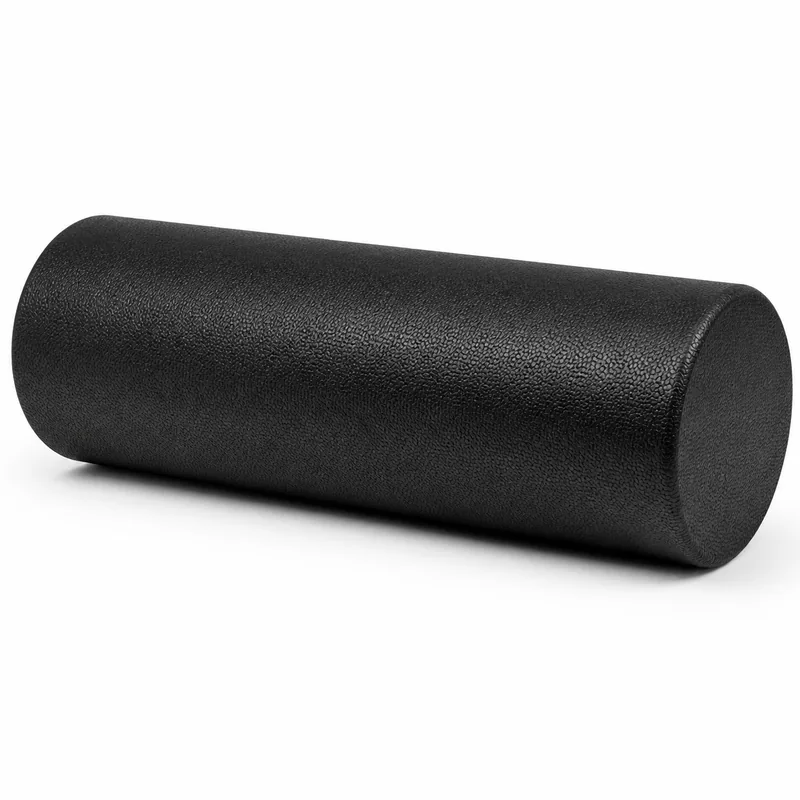
- A foam roller: for releasing the muscles that pull on the nerve.
- A massage ball for piriformis and deep glute release.
- A resistance band for nerve glide assistance and gentle strengthening.
7 Exercises That Calm Sciatica
1. Knee-to-Chest Stretch
Lie on your back. Slowly pull one knee toward your chest with both hands. Hold for 30 seconds. Switch sides. Then pull both knees in together for 30 seconds. The knee-to-chest stretch decompresses the lumbar spine and gently mobilises the sacrum. Three rounds, multiple times per day.
2. Piriformis Stretch (Figure-4)
Lie on your back with knees bent and feet flat. Cross your right ankle over your left knee. Reach behind your left thigh and pull your left knee toward your chest. You'll feel a deep stretch in the right buttock. Hold for 45 seconds. Switch sides. The figure-4 is the single best piriformis stretch. Three rounds per side, daily.
3. Sciatic Nerve Glide
Sit on a chair with your back straight. Extend one leg straight in front of you and dorsiflex your foot (toes toward your shin) while simultaneously tucking your chin. Then point your foot down and look up. Repeat slowly 10 times per side. Nerve glides are not stretches, they're gentle gliding movements that mobilise the nerve through its tissues. Done correctly, they should feel like a gentle wave, not a stretch.
4. Cat-Cow
On all fours. Inhale and arch your back, lifting your head and tailbone. Exhale and round your spine, dropping your head and tucking your tailbone. Move slowly through 10 cycles. Cat-cow lubricates the spine and promotes fluid flow around inflamed nerve roots. Daily.
5. Bird-Dog
On all fours. Slowly extend your right arm forward and your left leg back simultaneously, holding for 8 seconds at full extension. Switch sides. Three sets of 8 per side. The bird-dog rebuilds the deep stabilisers (multifidus, transverse abdominis) that protect the lumbar spine, directly relevant to disc-related sciatica.
6. Glute Bridge
Lie on your back with knees bent and feet flat. Drive through your heels and squeeze your glutes to lift your hips toward the ceiling. Hold for 2 seconds at the top. Three sets of 12. Strong glutes take the load that the lower back has been bearing, the most underrated treatment for chronic sciatica.
7. Pelvic Tilt
Lie on your back with your knees bent. Press your lower back into the floor by rotating your pelvis posteriorly (tucking your tailbone). Hold for 5 seconds. Release. Three sets of 10. The pelvic tilt teaches active control of the lumbar spine and reduces excessive lordosis, which often contributes to nerve compression.
Massage Ball Release Sequence
Five minutes of self-release on the muscles that compress the sciatic nerve produces dramatic short-term relief. Do this before stretching:
- Piriformis release: Sit on a massage ball and shift your weight onto one buttock, slightly toward the side. You'll find the piriformis as a tender spot deep in the upper-outer buttock. Sit on it for 60-90 seconds, breathing into the discomfort.
- Glute medius release: Move the ball higher and to the side. 60 seconds.
- QL release: Lie on your side with the ball just above your iliac crest (top of pelvis). 60 seconds per side.
- TFL release: Lie face-down with the ball under the front-outer hip. 30 seconds per side. The TFL is small but vicious when tight.
Massage release is uncomfortable but should never produce sharp pain. If pressure on a spot reproduces sciatic symptoms (shooting down the leg), back off and try a different angle.
What Position Is Best for Sleeping?
Sleep position matters for sciatica recovery:
- Side sleeping with a pillow between the knees: the best position for most people. The pillow keeps the pelvis aligned and prevents the top hip from rotating inward, which compresses the piriformis.
- Back sleeping with a pillow under the knees: second best. Reduces lumbar lordosis and decompresses the spine.
- Stomach sleeping: worst for sciatica. Hyperextends the lumbar spine for hours and aggravates most causes. If you must, use a flat pillow under the hips.
Activity During Recovery
The old advice of bedrest is outdated and counterproductive. Movement heals sciatica faster than rest. During acute flare-ups:
- Walk daily, even if just 10-15 minutes
- Avoid prolonged sitting, get up every 30 minutes
- Avoid heavy lifting until you're 80% better
- Substitute swimming or stationary cycling for high-impact cardio
- Do the exercises above 1-2 times daily
- Continue working unless your job requires heavy lifting or constant prolonged sitting
How Long Until It's Better?
Most cases of sciatica resolve within 6-12 weeks with consistent home exercise. Disc-related sciatica can take 3-6 months for full resolution as the disc heals. Piriformis-related sciatica often improves within 2-4 weeks once you address the muscle directly. Spinal stenosis-related sciatica typically responds to flexion-based exercises and may need ongoing maintenance.
Recommended Gear
Three densities for piriformis, glute, and QL release. Pinpoint pressure on the muscles that compress the sciatic nerve.
$25 Foam Roller (45cm)Roll the IT band, glutes, and hip flexors. Daily rolling produces noticeable symptom relief within 1-2 weeks.
$39 Premium Yoga Mat6mm cushion for floor exercises. Essential for comfort during knee-to-chest, figure-4, and bird-dog work.
$59 PeterMat ZeroHeavy-duty 1m × 1m gym mat with 14kg of recycled rubber. Extra cushion for sensitive spines during floor work.
$79 Resistance Bands Set (5-Pack)Long bands for nerve glide assistance and gentle hip strengthening.
$29 Yoga Blocks (2-Pack)Support for figure-4 and knee-to-chest stretches. Reduces strain on the upper body during prolonged holds.
$25Frequently Asked Questions
Should I rest or move with sciatica?
Move. Decades of research has shown that bedrest worsens sciatica long-term. Walking, gentle stretching, and the exercises above accelerate recovery. The only acceptable rest is during the first 1-2 days of an acute flare.
Are nerve glides actually a real thing?
Yes, they're well-supported in physiotherapy literature. Nerve glides (also called neural mobilisation or flossing) gently slide the nerve through its surrounding tissues, which improves blood flow and reduces local inflammation. Done correctly they're gentle and shouldn't hurt.
What about cortisone injections?
They produce significant short-term relief but don't address underlying causes. Most patients have full pain return within 3-6 months unless they also do exercise-based rehab. Use injections to break a severe pain cycle if needed, but don't rely on them as the primary treatment.
Will I need surgery?
Probably not. Around 90% of sciatica resolves without surgery within 6-12 weeks. Surgery is appropriate for cauda equina syndrome (loss of bladder/bowel control), progressive neurological deficit, or symptoms that haven't responded to 6+ months of conservative treatment.
Is yoga safe?
Most yoga is excellent for sciatica recovery. Avoid deep forward folds, aggressive twists, and full pigeon pose during acute flare-ups, these can compress the nerve further. Gentle vinyasa, yin yoga, and restorative yoga are usually safe.
Can I run?
Not during acute symptoms. Once you're 80% better, gradually reintroduce running with short, easy sessions on soft surfaces. Avoid hills and intervals for the first month back. Continue all the exercises in this guide as long-term maintenance.
Related Guides
- Lower Back Strengthening: build the muscles that protect your spine long-term
- Hip Mobility Exercises: tight hips compress the sciatic nerve, fix the source
- Foam Roller Recovery: complete glute and lower back release techniques
- Exercises for Back Pain: broader back pain rehabilitation
- Desk Worker Exercises: prevent sitting from triggering recurrence
- Stress Relief Exercises You Can Do at Home: Stress relief exercises you can do at home with minimal equipment.
Build Your Sciatica Recovery Kit
Massage balls, a foam roller, a cushioned mat, yoga blocks, and resistance bands. Under $180 buys the complete toolkit for sciatica recovery and prevention. Free shipping on orders over $75.
Shop Now