Important: Always consult your GP, midwife, or obstetrician before starting or continuing exercise during pregnancy. This guide covers equipment choices and general approaches, your healthcare provider should approve your specific exercise program based on your individual circumstances. If you experience pain, dizziness, bleeding, or shortness of breath during exercise, stop immediately and contact your healthcare provider.
Why Exercise During Pregnancy Matters
Australian guidelines from the Royal Australian and New Zealand College of Obstetricians and Gynaecologists (RANZCOG) recommend that women with uncomplicated pregnancies aim for 150 minutes of moderate-intensity physical activity per week. That is roughly 30 minutes on most days, and the evidence behind this recommendation is substantial.
Research consistently shows that regular moderate exercise during pregnancy is associated with a reduced risk of gestational diabetes, pre-eclampsia, and excessive weight gain. Many women report improved mood, better sleep quality, reduced lower back pain, and less swelling in their legs and feet when they maintain an active routine. There is also growing evidence suggesting that women who exercise regularly throughout pregnancy tend to have shorter active labour periods and recover more quickly postpartum.
Despite this, many women significantly reduce or stop exercising once they find out they are pregnant, often because of uncertainty about what is safe. The reality, according to most Australian healthcare providers, is that for uncomplicated pregnancies, being sedentary carries more risk than being moderately active. The key is choosing the right type of movement, adjusting as your body changes, and having equipment at home that supports safe, comfortable exercise.
Home exercise has a particular advantage during pregnancy. You can stop when you need to, rest without self-consciousness, exercise in short bouts if energy is low, avoid commute time to a gym, and control the temperature of your environment, which matters when your core temperature regulation changes during pregnancy.
Equipment by Trimester
Your body changes significantly across 40 weeks, and your equipment needs shift accordingly. Here is a trimester-by-trimester guide to what works well and why.
First Trimester (Weeks 1-12)
For many women, the first trimester is characterised by fatigue, nausea, and a body that looks the same but feels entirely different. Most healthcare providers advise that if you were exercising before pregnancy, you can generally continue your existing routine with some modifications. If you were not exercising before, this is still a safe time to begin, just start gently and build gradually.
Light dumbbells are excellent first-trimester equipment because they allow you to maintain upper body and functional strength without high impact. The goal is not to set personal bests, it is to maintain baseline strength that will serve you as your body changes over the coming months. Seated or standing dumbbell exercises such as bicep curls, shoulder presses, lateral raises, and tricep extensions are generally well-tolerated. Many women find that exercises they can do standing or seated are preferable to floor-based work when nausea is an issue, since getting up and down from the floor can trigger queasiness.
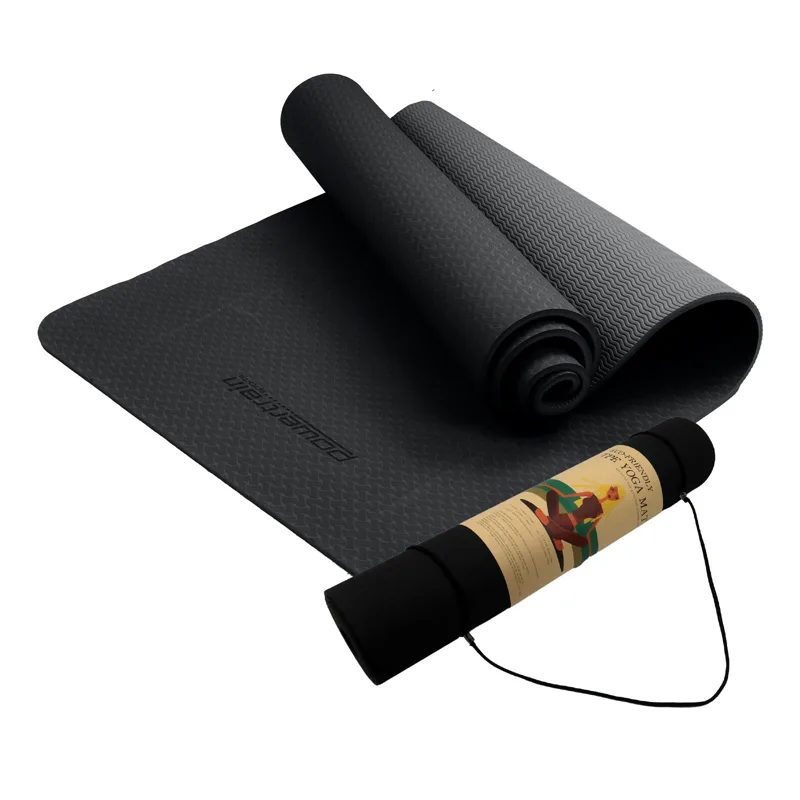
A good mat is important from the start. You will be spending increasing amounts of time on the floor as pregnancy progresses, for stretching, pelvic floor work, and gentle core maintenance. Investing in a comfortable, supportive mat now means you are set up for all three trimesters. Look for at least 6mm thickness and a non-slip surface. If you exercise on hard flooring, the extra cushioning is especially important for your knees and hip bones during side-lying exercises.
Light, safe for controlled movements
$12 Rubber Hex Dumbbells (2kg pair)Ideal for shoulder and arm work
$23 6mm Non-Slip TPE Yoga Mat6mm thick, non-slip TPE
$60Second Trimester (Weeks 13-27)
The second trimester is often called the "golden trimester", nausea typically eases, energy returns, and many women feel their best. It is also when your body begins to change visibly, and certain exercise positions need modification.
The most significant guideline change is around supine exercise. Many Australian healthcare providers recommend avoiding prolonged lying flat on your back after approximately 16 weeks. This is because the weight of the growing uterus can compress the inferior vena cava (the large vein returning blood to your heart), potentially reducing blood flow. Side-lying, seated, standing, and all-fours positions become your primary exercise orientations.
Resistance bands are particularly valuable in the second trimester because they work beautifully in all of these modified positions. Seated rows strengthen the upper back muscles that are increasingly stressed by changes in posture and breast weight. Standing chest presses and lateral raises maintain shoulder strength. Side-lying leg work with a band around the ankles targets the hip stabilisers, which are critical as your pelvis begins to adapt to the growing baby and the hormone relaxin loosens your ligaments.
Yoga blocks become a practical necessity during this trimester. As your belly grows, reaching the floor in standing forward folds or lunges becomes difficult. Blocks bridge that gap safely, allowing you to maintain good form without overstretching. They also provide support during seated positions, sitting on a block tilts the pelvis forward slightly, which can relieve lower back tension and make seated stretches more comfortable.
Fabric loop bands are gentle, comfortable, and effective for one of the most important muscle groups during pregnancy: the glutes. Strong glutes stabilise the pelvis, support the lower back, and help maintain balanced posture as your centre of gravity shifts forward. Simple exercises like standing clamshells, seated abductions, and gentle glute bridges (performed at an incline rather than flat on your back) with a loop band provide targeted strengthening without strain.
5 levels for seated and standing work
$59 Yoga Blocks (2-Pack)Support for modified positions
$25 Fabric Loop Bands (3-Pack)Gentle glute and hip activation
$30Third Trimester (Weeks 28-40)
The third trimester is about maintenance, comfort, and preparation. Your body is carrying significantly more weight, your joints are looser due to relaxin, and your energy may fluctuate. The goal shifts from "building fitness" to "staying mobile, reducing discomfort, and preparing for labour and recovery."
Gentle stretching becomes a primary focus for many women during these final weeks. Hip openers, hamstring stretches, and upper back mobility work can help manage the aches that come with carrying additional weight. A yoga strap makes these stretches accessible even when your belly makes it impossible to reach your feet or clasp your hands behind your back. Hamstring stretches with a strap around the foot (performed in a reclined position propped up at an angle, not flat on your back) maintain flexibility in muscles that tighten significantly during pregnancy. Shoulder stretches using the strap behind the back counteract the forward-rounding posture that many women develop in the third trimester.
Yoga blocks continue to be valuable for supported positions. Placing a block under your hip during side-lying rest, between your knees during sleeping, or under your hands during modified all-fours stretches makes comfortable positioning achievable when your body feels like it is working against you.
Light resistance band work can continue through the third trimester for many women, though the focus typically narrows to seated upper body exercises and gentle standing movements. Pelvic floor awareness exercises (not just Kegels, but the coordination of pelvic floor engagement with breath) are often recommended by women's health physiotherapists during this period and do not require any equipment at all.
Walking remains one of the most recommended forms of exercise throughout the entire pregnancy, and particularly in the third trimester. It is low impact, adjustable in intensity, and easy to stop if needed. Swimming and water-based exercise are also widely recommended by Australian healthcare providers for the third trimester because the buoyancy reduces joint stress.
217cm with 10 loops, extends your reach
$24 Yoga Blocks (2-Pack)Support and comfort in every position
$25 Resistance Bands Set (5-Pack)Light bands for seated exercises
$59Exercises to Avoid (and Why)
Understanding what to avoid is just as important as knowing what to do. These guidelines are widely supported by Australian healthcare providers, though your individual situation may differ, always check with your GP or midwife.
Lying flat on your back after 16 weeks: As mentioned above, the supine position can compress the vena cava once the uterus reaches a certain size. This does not mean you will pass out the instant you lie down, but prolonged supine exercise is generally discouraged. Inclined positions (propped up on a wedge or pillows at 30-45 degrees) are a simple workaround for exercises that are traditionally done on the back.
Heavy lifting beyond your pre-pregnancy capacity: Pregnancy is not the time to increase load. The hormone relaxin, which loosens ligaments in preparation for birth, also affects joint stability throughout your body. Lifting heavy with less stable joints increases injury risk. If you lifted weights before pregnancy, many healthcare providers suggest reducing to 60-70% of your pre-pregnancy working weight and focusing on controlled, moderate repetitions.
Contact sports and activities with fall risk: Anything where you could take a blow to the abdomen or fall heavily, cycling on roads, horse riding, martial arts, skiing, is generally advised against. The risk is not to your fitness but to the baby, and the consequences of a fall or impact increase as pregnancy progresses.
Hot yoga and exercising in excessive heat: Core temperature regulation changes during pregnancy, and overheating (hyperthermia) can be harmful, particularly in the first trimester. Exercising in a cool, well-ventilated space is recommended. Standard yoga, Pilates, and resistance training in a normal-temperature room are fine, it is specifically the heated-room environments to avoid.
Exercises that cause abdominal doming or coning: If you notice a ridge or cone shape forming along the midline of your belly during an exercise, that indicates excessive pressure on the linea alba (the connective tissue between your rectus abdominis muscles). This can contribute to diastasis recti. Traditional crunches, sit-ups, full planks, and double-leg lowers are common culprits. Modified core work that focuses on transversus abdominis engagement (the deep "corset" muscle) is safer and more effective during pregnancy.
The Pregnancy Exercise Starter Kit
Based on the equipment discussed above, here are two practical bundles that cover your needs across all three trimesters.
Budget Kit, $84: Resistance Bands Set ($59) + Yoga Blocks ($25). These two items give you the most versatility per dollar. The bands provide light-to-medium resistance for upper and lower body work across all three trimesters. The blocks support modified positions, improve comfort during stretching, and serve as balance aids. If budget is tight, start here.
Complete Kit, $210: 6mm Non-Slip TPE Yoga Mat ($60) + Resistance Bands Set ($59) + Fabric Loop Bands ($30) + Yoga Blocks ($25) + Yoga Stretch Strap ($24) + Rubber Hex Dumbbells 1kg ($12). This covers every stage of pregnancy and transitions directly into postpartum recovery equipment. The mat provides a comfortable exercise surface, the bands and dumbbells cover resistance training, the blocks and strap support flexibility work, and the loop bands target the glutes and hips that work so hard during pregnancy.
Postpartum Recovery Equipment
One of the best things about investing in pregnancy exercise equipment is that every item above carries straight over into your postpartum recovery toolkit. The same equipment you used during pregnancy will support your return to fitness after birth.
Resistance bands are often the first strength training tool women's health physiotherapists recommend postpartum. They allow you to rebuild upper body strength gradually, important when you are carrying, feeding, and settling a newborn for hours each day. Seated band rows and chest presses can be done during nap time in five-minute windows. Light resistance, high repetition work helps restore muscle endurance without the fatigue of heavy lifting.
Yoga blocks and strap support the gentle stretching that helps counteract the hunched-forward posture of breastfeeding and baby-carrying. Thoracic extension over a block, chest stretches with a strap behind the back, and hip flexor stretches using a block for balance are all simple, effective movements for new mothers.
The foam roller (if you choose to add one at $45) becomes especially valuable postpartum for upper back tension. Many new mothers develop tightness through the thoracic spine and shoulders from nursing and carrying. Rolling the upper back over a foam roller for two minutes can provide immediate relief.
Pelvic floor recovery is the foundation of postpartum exercise, and most women's health physiotherapists recommend seeing a specialist at six weeks postpartum for assessment. The equipment above supports the broader exercise program that typically follows once pelvic floor function has been assessed and cleared.
The timeline for returning to exercise after birth varies significantly between individuals and depends on the type of delivery, any complications, and how your body recovers. Many healthcare providers suggest starting with gentle walking and pelvic floor exercises in the early weeks, progressing to light resistance work once cleared, and gradually rebuilding from there. Having the equipment at home means you can exercise in small windows around your baby's schedule, which is far more realistic than trying to get to a gym in the early months.
Related Guides
- Yoga for Beginners at Home
- Stretching Routine for Flexibility
- Best Exercises for Back Pain
- Resistance Band Workout Guide
- Best Yoga Accessories Australia
- Postpartum Exercise Equipment for a Safe Return to Fitness: The postpartum exercise equipment Australian mums need: cushioned mats, light dumbbells and resistance bands...
Shop Pregnancy-Safe Equipment
Gentle, effective fitness equipment for every trimester. Delivery is calculated by postcode in the cart, and we deliver within Australia.
Shop Now