Why Strength Training Matters More Than Calcium
Most people with osteoporosis are told to take calcium supplements and walk more. The walking part is helpful; the calcium supplementation alone produces minimal benefit and can carry cardiovascular risks at high doses. The single most effective intervention for low bone density isn't found in a pill, it's found in a barbell or, more accessibly, a pair of dumbbells. Bone responds to mechanical loading. When you load a bone with resistance, the cells inside it (osteoblasts and osteocytes) sense the stress and respond by laying down new bone tissue. Without that signal, bone tissue is gradually reabsorbed.
The LIFTMOR study, published in the Journal of Bone and Mineral Research, showed that high-intensity resistance and impact training significantly improved bone density in postmenopausal women with low bone mass, the population at highest fracture risk. The exercises that produced these results weren't gentle; they were squats, deadlifts, and overhead presses with progressively heavier weights, plus jumping protocols for impact loading. Adapted carefully and progressed gradually, the same principles work at home with dumbbells and bands.
Important: Talk to Your Doctor First
Osteoporosis is a clinical diagnosis, and severity varies enormously. Before starting heavy resistance training:
- Confirm your diagnosis with a bone density scan (DEXA)
- Discuss any history of vertebral fractures with your doctor
- Get clearance for resistance training, especially if you've had recent fragility fractures
- Ideally work with a physiotherapist for the first 4-8 weeks to learn safe loading patterns
The exercises below are appropriate for most people with osteopenia and uncomplicated osteoporosis. People with severe osteoporosis, recent fractures, or specific spinal conditions need individualised programming.
Equipment You Need
- Adjustable or progressive dumbbells: ideally pairs in 5kg, 10kg, and 15kg increments. Bone responds to progressive loading; you'll outgrow lighter weights faster than you expect.
- A non-slip mat: for floor exercises and impact work cushioning.
- Resistance bands: for warm-up, accessory work, and exercises where dumbbells are awkward.
- A sturdy chair or bench: for support during balance work and for seated exercises.
- A pull-up bar or sturdy beam: beneficial for spinal traction work.
What Exercises Build Bone Density
Bone responds to four types of loading:
- Heavy resistance training: squats, deadlifts, overhead press, and rows produce substantial axial loading.
- Impact loading: jumping, hopping, and stomping. Even brief, low-volume impact (10-20 jumps daily) significantly stimulates bone.
- Multi-directional movement: bone responds to varied stress, not just vertical loads. Lateral movements and rotation matter.
- Balance training: doesn't directly build bone but prevents falls, which are the actual cause of osteoporotic fractures.
10 Bone-Building Exercises
1. Goblet Squat
Hold a single dumbbell vertically against your chest. Squat down by pushing your hips back and bending your knees, keeping your chest up. Drive through your heels to stand. The goblet squat loads the hips and lumbar spine, exactly the regions most prone to osteoporotic fracture. Three sets of 8-10 reps with a heavy dumbbell. Progress weight every 1-2 weeks.
2. Romanian Deadlift
Hold a dumbbell in each hand. With knees slightly bent, hinge at the hips and lower the weights along the front of your legs. Keep your back flat. Drive your hips forward to return. The Romanian deadlift loads the spine and hips through the most beneficial axis for bone density. Three sets of 8-10.
3. Overhead Press
Stand or sit with a dumbbell in each hand at shoulder height. Press the weights overhead. Lower with control. The overhead press loads the spine and shoulders, important for upper body bone density. Three sets of 8-10.
4. Bent-Over Row
Hinge forward at the hips with a dumbbell in each hand. Pull the weights toward your hips. Three sets of 10. Rows load the thoracic spine, which is particularly important for preventing the kyphotic posture associated with vertebral fractures.
5. Step-Up
Use a sturdy step or bench. Hold dumbbells in each hand. Step up with one foot, drive through that heel, step the other foot up to meet it. Step back down. Three sets of 10 per leg. Step-ups load the hips with body weight plus dumbbells.
6. Heel Drop / Stomp
Stand on a low step or stair. Lift up onto your toes, then drop your heels with controlled force onto the floor. The impact loads the bones of the lower body. Three sets of 10. Start gentle; progress to firmer drops as you tolerate the impact.
7. Mini-Hop
Stand with feet hip-width apart. Perform 10 small jumps in place, landing softly. Add to the routine 3 times per week. Even small jumps stimulate bone in the hips and spine. Avoid for the first 4 weeks if you're returning from a fracture.
8. Single-Leg Stand
Stand on one foot, holding lightly to a chair if needed. Hold for 20-30 seconds. Three sets per side. Single-leg balance directly reduces fall risk, the proximate cause of nearly all osteoporotic fractures.
9. Heel-to-Toe Walk
Walk in a straight line placing one heel directly in front of the other toe. 10 steps. Three rounds. Gait balance training reduces fall risk.
10. Plank (Modified)
From hands and knees, walk your hands forward to a half-plank. Hold for 20-30 seconds. Three sets. Plank work strengthens the deep spinal stabilisers, critical for spinal protection during all bending and lifting in daily life.
What to AVOID
Several common exercises and movements increase vertebral fracture risk in osteoporosis:
- Loaded spinal flexion: sit-ups, crunches, leg raises with rounded back. These compress the front of vertebral bodies, which is exactly where wedge fractures occur.
- Heavy combined flexion + rotation: golf swings, certain yoga twists, and Russian twists with heavy weight.
- High-impact running: for severe osteoporosis. Mild osteopenia may tolerate it fine; severe osteoporosis often doesn't.
- Toe-touches and forward folds with weight: bending forward with a heavy load shears the spine.
Modify these by using neutral-spine alternatives: planks instead of crunches, dead bugs instead of leg raises, Romanian deadlifts (with strict form) instead of toe-touches.
A Weekly Programme
- Day 1, Heavy Lower Body: Goblet squats 3×8, Romanian deadlifts 3×8, step-ups 3×10 per leg, heel drops 3×10.
- Day 2, Heavy Upper Body: Overhead press 3×8, bent-over row 3×10, banded pull-apart 3×15, modified plank 3×30s.
- Day 3, Balance + Impact: Single-leg stand 3×30s per side, heel-to-toe walk 3 rounds, mini-hops 3×10, light walking 30 minutes.
- Day 4, Light + Mobility: Cat-cow, hip mobility, gentle stretching, walking 30+ minutes.
- Days 5-7: Repeat or take additional rest days as needed.
Nutrition for Bone Density
- Protein: 1.2-1.6g per kg of body weight per day. Higher than general guidelines because bone matrix is 50% protein.
- Calcium: 1000-1200mg per day, ideally from food (dairy, sardines with bones, leafy greens, fortified foods).
- Vitamin D: 800-1000 IU daily, more if deficient. Get blood levels checked annually.
- Vitamin K2: often deficient. Found in fermented foods, hard cheeses, egg yolks. Some evidence supports supplementation.
- Magnesium: 300-400mg daily. Found in nuts, seeds, leafy greens.
Recommended Gear
Starting weight for goblet squats and Romanian deadlifts. Most osteoporosis trainees progress past this within 2-3 months.
$49 Rubber Hex Dumbbells (10kg pair)The progression weight. Critical for producing the bone-stimulating loads that build density.
$79 Rubber Hex Dumbbells (15kg pair)Heavy enough to drive significant bone density improvement in most postmenopausal women.
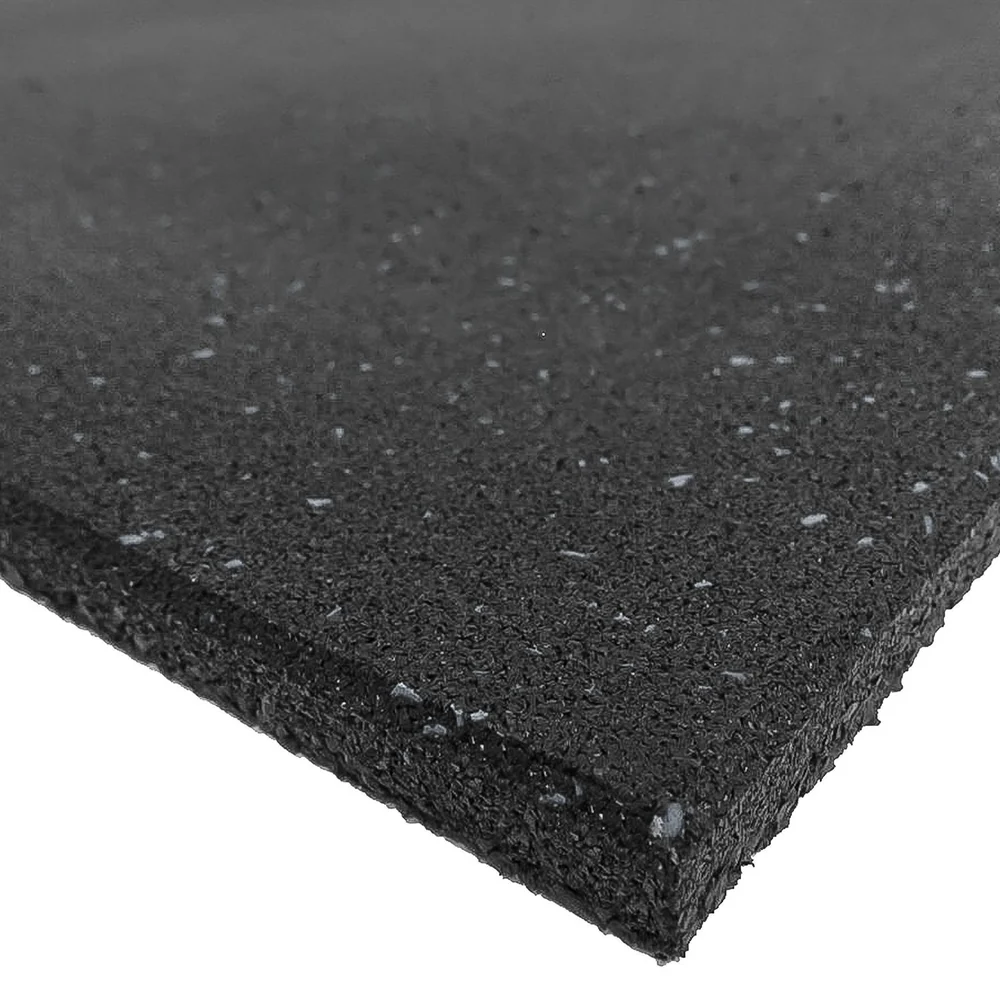
$109 PeterMat ZeroHeavy-duty cushioned floor for impact work and heavy lifts. Protects your floor and absorbs hop landings.
$79 Resistance Bands Set (5-Pack)Warm-up and accessory work, particularly band pull-aparts for thoracic spine.
$29 Doorway Pull-Up BarSpinal traction (hanging passively) is therapeutic for thoracic kyphosis prevention.
$55Frequently Asked Questions
Is heavy lifting safe with osteoporosis?
For most people with osteopenia and mild osteoporosis, yes, and it's the single most effective treatment. Severe osteoporosis with recent fractures requires individualised programming, ideally under a physiotherapist's supervision for the first weeks.
Will walking alone build bone density?
Walking helps but produces minimal bone density improvement on its own. Resistance training is necessary to drive the loading required for new bone formation. Walking + strength training is the proven combination.
What about jumping?
Impact loading is one of the strongest stimuli for bone formation. Mini-hops 10×3 per session, 3 times per week, produce measurable density improvements over months. Start with low-amplitude hops; progress only as tolerated.
Can I do yoga?
Most yoga is excellent. Avoid deep forward folds, full spinal flexion, and aggressive twists during the early years of training. Modified poses with longer-spine emphasis are safer.
How quickly will my bones change?
Density measurably improves over 12-24 months with consistent training. Strength and balance improvements happen much faster, within 4-8 weeks. Don't get discouraged by slow density changes; the strength gains alone reduce fracture risk substantially.
What about HRT and medications?
Medications like bisphosphonates are evidence-based for moderate to severe osteoporosis. Exercise complements medication; it doesn't replace it. Discuss with your doctor, most rheumatologists encourage both.
Related Guides
- Seniors Fitness Equipment: broader equipment guide for older adults
- Balance and Stability Exercises: fall prevention is the most important bone fracture intervention
- Dumbbell Weight Guide: choose the right weights for progressive loading
- Over 40 Fitness Guide: active aging strategies
- Posture Correction Exercises: prevent kyphotic posture associated with vertebral fractures
Build Your Bone Density Kit
Progressive dumbbells (5kg, 10kg, 15kg pairs), a heavy-duty mat, resistance bands, and a doorway pull-up bar. The complete toolkit for evidence-based osteoporosis training. Free shipping on orders over $75.
Shop Now