Why Gym Noise Travels (It's Not What You Think)
The complaint from the unit below is almost never about airborne sound, it's structure-borne noise: vibration and impact energy travelling through the concrete slab. A dropped dumbbell, a burpee landing, a treadmill, a jump, each sends a shock pulse into the floor that radiates as a thud in the apartment below. You can't fix that with a rug; you fix it by decoupling the impact from the slab.
What Actually Reduces It: Dense Rubber
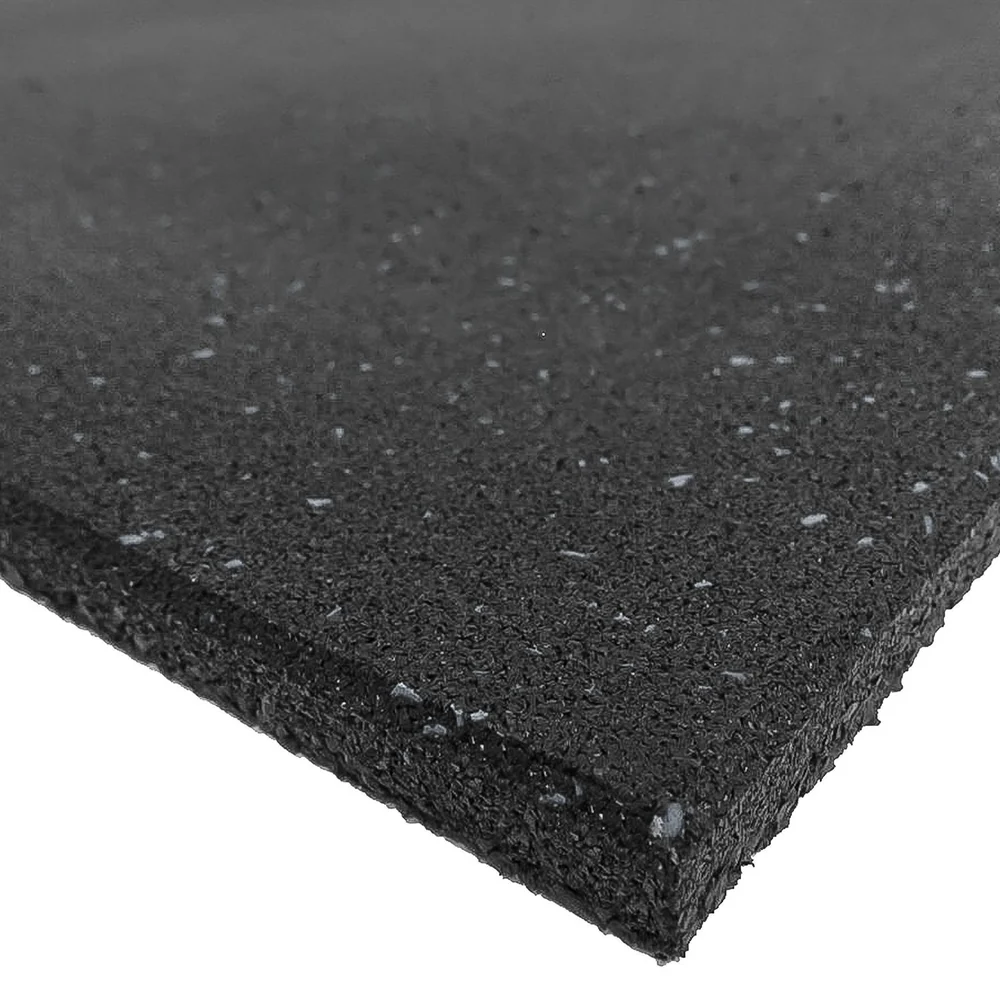
Dense rubber matting is the single most effective domestic fix. It absorbs and dissipates impact energy before it reaches the slab, dramatically cutting the thud transmitted below. This is exactly why commercial gyms (often above other tenancies) floor everything in thick rubber. A 10mm+ dense rubber mat under your training zone is the apartment trainer's most important purchase, more than any piece of equipment.
Mat Plus Behaviour = Quiet
Flooring does most of the work; technique does the rest:
- Never drop weights: lower them under control onto the rubber.
- Choose low-impact variants: step-back burpees instead of jump-backs, controlled lunges instead of jump lunges.
- Favour bands and controlled dumbbell work over plyometrics during sensitive hours.
- Train at reasonable times: the same thud is fine at 6pm and a complaint at 6am.
Rubber mat + controlled movement + sensible hours eliminates the overwhelming majority of complaints.
Layering for Maximum Isolation
For the most sensitive situations (heavy lifting above a bedroom, strict building), layer it: dense rubber mat on top, a foam tile or carpet underlay beneath, so impact passes through two dissimilar materials before the slab. Two 10mm layers of different density beat one 20mm layer for vibration isolation.
What Doesn't Work
Don't waste money on: thin yoga mats (zero impact isolation), soft foam alone (compresses and bottoms out under weights, passing impact through), thick carpet (muffles airborne sound, does little for structure-borne vibration), or 'acoustic' products without mass. Mass and density are what stop vibration, that means rubber.
Our Recommendation
A PeterMat Zero ($79) under the training zone, dense recycled rubber, the best domestic vibration dampener at the price. For heavy work over a bedroom, add Interlocking Foam Tiles ($65) underneath as a second isolation layer. Combine with controlled, low-impact training and reasonable hours and your downstairs neighbour will never know you train at home.
Recommended Gear
1m × 1m, 14kg recycled-rubber mat. Thick, dense and joint-friendly, the do-it-all home-gym base. Free delivery.
$79 Interlocking Foam Tiles (4-Pack)EVA tiles, 60×60cm, soft underfoot, expandable, ideal for a quiet floor-work zone.
$65 PeterMat RoundCircular mat for kettlebell, mobility and stretching zones where you move around a centre point.
$89 Resistance Bands SetFive tension levels in one set, the most exercises per dollar in any home gym.
$29 Foam Roller (45cm)Firm EVA roller for daily mobility and post-session recovery.
$39 Premium Yoga Mat6mm non-slip mat with alignment marks, comfortable for floor work, Pilates and stretching.
$59Frequently Asked Questions
What flooring reduces gym noise in an apartment?
Dense rubber matting. It absorbs impact energy before it reaches the concrete slab, cutting the structure-borne thud transmitted to the unit below. It's the same reason commercial gyms floor everything in thick rubber.
Why can my downstairs neighbour hear my workout?
Because the noise is structure-borne, vibration travelling through the slab, not air. Dropped weights and jump landings send shock pulses into the floor that radiate below. Decoupling impact from the slab with dense rubber is the fix.
Will a thick yoga mat or carpet stop the noise?
No. Thin yoga mats give zero impact isolation and carpet only muffles airborne sound, not structure-borne vibration. You need mass and density, dense rubber, to stop the thud reaching the slab.
Can I do HIIT in an apartment without complaints?
Yes, with a dense rubber mat, low-impact movement substitutions (step-back instead of jump-back burpees), no dropped weights, and sensible training hours, HIIT is entirely apartment-compatible.
Does layering flooring help?
Yes, for sensitive situations, a dense rubber mat over a foam tile or underlay layer isolates better than one thick mat, because impact passes through two dissimilar materials before reaching the slab.
What's the most important purchase for an apartment gym?
The rubber mat, more than any piece of equipment. It's what makes home training in an apartment sustainable without noise complaints.
Related Guides
- Apartment-Friendly Gym Gear: the quiet equipment list
- Gym Mat for Renters: bond + noise combined
- Small Space Home Gym: fitting it in a unit
- Best Mat for a Treadmill: the noisiest machine
- Gym Mat Buying Guide: choosing the mat
Train Hard, Stay Invisible to the Neighbours
The PeterMat Zero is $79 delivered, dense recycled rubber that kills the thud before it reaches the slab. The apartment trainer's most important buy.
Shop Now