Why Build a Home Gym?
Gym memberships in Australian capital cities run $20-$40 per week, between $1,000 and $2,000 per year. A serious home gym pays for itself in under two years and saves you the commute, the line for equipment, and the shared sweat of strangers. It also removes the friction that prevents most men from training consistently. The best programme is the one you actually do, and the one you actually do is the one that takes the least effort to start. A barbell in your garage produces more total training over a decade than any premium gym membership.
The mistake most men make is buying everything at once based on what gyms have. A commercial gym supports hundreds of users with diverse goals. You're one person with specific goals. The smart approach is to build in tiers, start with the most useful equipment, train consistently for several months, then add the next tier as needed. The build below is structured this way: each tier builds on the previous one, with clear ROI at each stage.
Tier 1, The Foundation ($200-$400)
What every home gym should start with. This setup supports six months to two years of serious training before you need to expand.
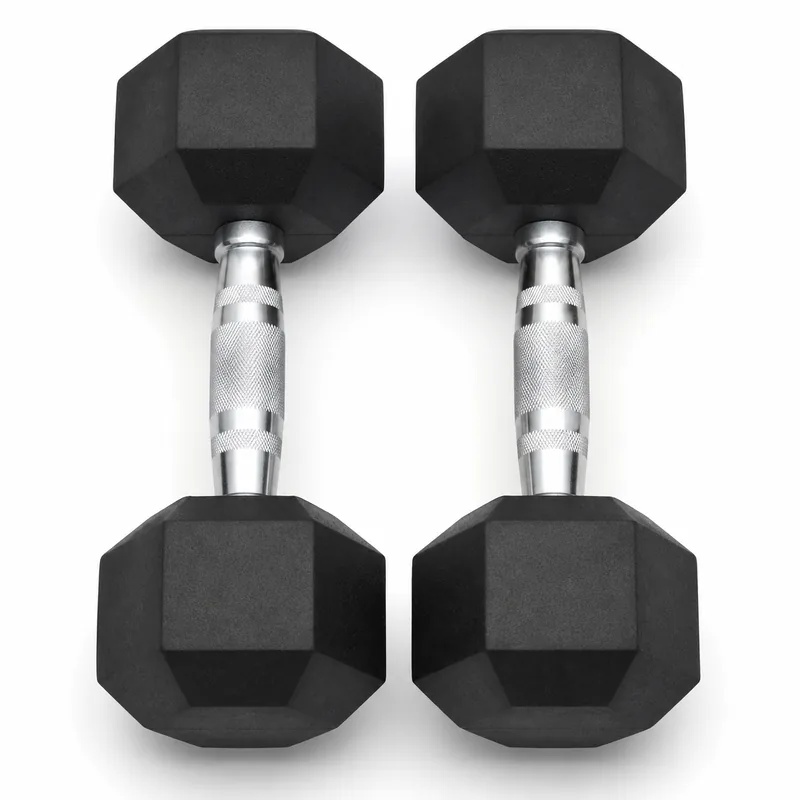
- A pair of medium dumbbells (10kg). The bread-and-butter weight. Goblet squats, bent-over rows, hip thrusts, presses. 10kg rubber hex dumbbells are the single best dumbbell purchase for a beginning home gym ($79 per pair).
- A heavy-duty floor mat. Protects your floor, absorbs heavy weight drops, and provides cushion for floor exercises. The PeterMat Zero ($79) is built for the job.
- A doorway pull-up bar. Pull-ups are the king of upper body bodyweight movements. A no-screw doorway bar ($55) supports up to 130kg.
- A resistance band set. 5-pack of resistance bands ($29) covers warm-ups, accessory work, and pulling exercises that are otherwise difficult at home.
- A foam roller. $39 of recovery work that pays back its cost in injury prevention monthly. 45cm foam roller is the standard size.
Total: ~$280. Train hard with this for 2-3 months before expanding. Most men can build genuine muscle and meaningful strength with nothing more than this.
Tier 2, Progressive Loading ($400-$700)
After Tier 1, your dumbbells start feeling light. Add progressively heavier dumbbells:
- 15kg dumbbell pair ($109), for advancing rows, presses, and squat variations.
- 20kg dumbbell pair ($139), heavy enough for serious strength training.
- 5kg dumbbell pair ($49), for accessory work, lateral raises, rear delt flyes, and rotator cuff exercises.
- Resistance tube set with handles ($45), for tricep pushdowns, face pulls, and band-only exercises.
- Massage gun or massage balls ($25-$119), recovery acceleration for higher training volumes.
Total Tier 1 + 2: ~$650. With this kit, you can run programmes like StrongLifts, Wendler 5/3/1 (dumbbell variant), and full Push/Pull/Legs splits. You're now equipped for years of serious training.
Tier 3, Specialty ($700-$1000)
Add specialty equipment for specific goals:
- 25kg dumbbell pair ($169), for advanced trainees doing heavy compound work.
- Massage gun ($119), high-end recovery for high training volumes.
- Vibrating foam roller ($89), accelerated muscle recovery.
- Compression knee sleeves ($38), for heavy squatting.
- Ab roller ($29), the most demanding core exercise that exists.
Total Tier 1 + 2 + 3: ~$880. This is where most home gyms plateau. Most men never need more than this.
Tier 4, Cardio ($1000-$1300)
If you want cardio at home, add equipment in this order of value:
- Jump rope ($30-$50), best cardio dollar for dollar. Most efficient calorie burn per minute. Skipping rope is what professional fighters use.
- Spin bike ($300-$600), quietest cardio option, fits in a corner.
- Rowing machine ($600-$1200), most full-body cardio option, used by special forces and elite athletes.
Skip treadmills if you have neighbours below, the impact noise is brutal. Skip ellipticals, they're large, expensive, and rarely used after the first month.
Tier 5, Pro Setup ($1300+)
For serious lifters who want a near-commercial-gym setup at home:
- Barbell + plates ($400-$800): opens up barbell squats, deadlifts, bench press, and Olympic lifts. Adjustable plates that go up to 100kg+ in total work for most people indefinitely.
- Power rack or squat stand ($400-$1000): necessary for heavy barbell squats and bench press at home.
- Adjustable bench ($150-$300): for bench press and incline/decline variations.
- Kettlebells (16kg, 24kg) ($60-$120), Turkish get-ups, swings, and goblet squats with handles.
Total complete setup: $1500-$3000. At this point you have a complete strength gym that supports any training programme indefinitely.
What NOT to Buy
- Bowflex / NordicTrack-style multi-stations. $1000-$3000 of compromise. Each function is worse than a dedicated piece of equipment. Most are abandoned within a year.
- Adjustable dumbbells (initial purchase). Quality adjustables (PowerBlock, Bowflex) are expensive ($600+) and have a high failure rate. Fixed pairs are more durable and cost less for the first 3-4 weights.
- Thigh masters and gimmicky single-purpose toners. $30 each, none ever used after the first week.
- Vibration plates. Limited evidence of real benefits. The marketing is far ahead of the science.
- Treadmills (if you can run outside). Largest piece of equipment, most expensive, used for the first month then becomes a clothes rack.
- Smart mirrors and connected fitness platforms. $40-$60/month subscriptions add up faster than gym memberships, and the equipment becomes worthless when the company goes out of business.
Space and Setup
A serious home gym needs less space than most men think:
- Tier 1 (under $300): 1m × 2m of floor space. Fits in a corner, closet, or balcony.
- Tier 2 (under $700): 2m × 2m. A spare bedroom corner or garage spot.
- Tier 3 (under $1000): 2m × 3m. A small spare room.
- Tier 4 + Cardio: 3m × 3m. A garage half or dedicated room.
- Full barbell setup: 3m × 4m with 2.4m ceiling clearance for overhead presses.
Concrete floors are easiest for heavy lifting; carpeted rooms work fine with a heavy mat. Ventilation matters more than most realise, a window or fan is essential. Mirrors aren't required but help you check form.
Recommended Gear
The bread-and-butter starting weight. Buy this first, most home gym training revolves around this pair.
$79 Rubber Hex Dumbbells (15kg pair)First progression. Most men outgrow 10kg within 2-3 months for compound exercises.
$109 Rubber Hex Dumbbells (20kg pair)Heavy enough for serious strength training. The cap for most home dumbbell collections.
$139 PeterMat ZeroHeavy-duty 1m × 1m mat with 14kg of recycled rubber. The foundation of any home gym.
$79 Doorway Pull-Up BarPull-ups are the king of upper body bodyweight movements. Essential first purchase.
$55 Resistance Tube Set with HandlesFive tubes with handles, door anchor, and ankle straps. The accessory work compound dumbbells can't replace.
$45Frequently Asked Questions
What's the minimum I need to start?
A pair of 10kg dumbbells, a doorway pull-up bar, and a heavy mat. ~$220 total. With these three items you can run real strength training programmes for 6-12 months and see substantial muscle and strength gains.
Should I buy fixed dumbbells or adjustable?
Fixed pairs for the first 3-4 weights (5kg, 10kg, 15kg, 20kg). They're cheaper, more durable, and faster to use. Adjustable dumbbells make sense once you reach 20kg+ if you want to add 25kg, 30kg, etc., without taking up more floor space.
Do I need a barbell?
Eventually, but not initially. Most men can train productively with dumbbells for 6-18 months before needing a barbell. By the time you can goblet squat 25kg for sets of 10, you're ready for barbell work, but you'll have built genuine strength to make that worthwhile.
How much should I budget?
$300 minimum for a real starting kit. $700 for a comprehensive setup. $1500+ for full barbell equipment. The sweet spot for most men is $700-$1000, enough for years of serious training without a barbell.
Will I get bored without machines?
Most men train more consistently at home than in a gym. The convenience offsets the variety reduction. If boredom becomes a problem, alternate routines weekly and progress weights every 1-2 weeks, there's never a shortage of training stimulus.
How long until I see results?
Strength gains begin in week 1. Visible muscle changes at 6-8 weeks. Substantial transformation at 6-12 months of consistent training. Most plateau is from inconsistency, not from inadequate equipment.
Related Guides
- Home Gym Setup Guide: broader home gym setup planning
- Home Gym Checklist: equipment checklist for builders
- Dumbbell Weight Guide: choose the right weights for your level
- Home Gym on a Budget: stretched-budget approach
- Small Space Home Gym: if floor space is limited
Build Your Home Gym Foundation
10kg dumbbells, a heavy-duty mat, a doorway pull-up bar, a resistance tube set, and a foam roller. Under $300 buys you the foundation for years of serious training. Free shipping on orders over $75.
Shop Now