What Isometric Exercise Actually Is
Isometric exercise produces muscle contraction without joint movement. Hold a heavy weight in place, that's isometric. Push against an immovable wall, isometric. Hold a yoga pose for 60 seconds, isometric. The muscle contracts hard, but the joint angle doesn't change. This stands in contrast to concentric exercise (muscle shortening, the lifting phase of a curl) and eccentric exercise (muscle lengthening, the lowering phase). All three produce strength gains, but isometric work is uniquely valuable for specific applications: building strength without joint stress, rehabilitating injuries, breaking through plateaus, and producing strength gains for people who can't tolerate traditional exercise.
Decades of research has documented isometric training's effects. Multiple studies show 7-second maximal contractions, performed daily, increase strength by 5-10% within weeks. Isometric training has the lowest injury rate of any resistance training modality. It produces measurable cardiovascular benefits, handgrip isometric training has been shown to lower blood pressure as effectively as some medications. And it works in spaces and conditions where dynamic exercise can't, sitting at a desk, recovering from injury, or training around pain.
Why Isometric Exercise Is Underused
Most strength training advice ignores isometric work. The reason is partly historical (the dynamic gym lifting tradition came to dominate fitness) and partly visual (isometric work looks boring, there's no movement). The result is a training tradition that misses one of the most efficient and accessible forms of strength training that exists. Isometric work shouldn't replace dynamic exercise, but adding it to your training expands what you can do, when you can train, and how quickly you progress.
Equipment You Need
- A non-slip mat for floor isometric exercises.
- A wall and a sturdy chair: most isometrics use immovable household objects.
- Resistance bands for variable-tension isometric work.
- A pair of dumbbells for loaded isometric holds.
- A yoga strap for self-resisted isometric work.
- Optional: a doorway pull-up bar for hanging isometrics.
10 Isometric Exercises With Real Carry-Over
1. Plank (Anti-Extension Isometric)
The classic. Forearms on a mat, body in a straight line from head to heels. Squeeze your glutes and brace your core hard. Hold 30-90 seconds. Three sets. The plank trains anti-extension of the spine, exactly the pattern needed to protect the back during heavy lifting and everyday activity.
2. Wall Sit
Slide down a wall until your knees are at 90 degrees. Hold this position. Three sets to near-failure (typically 30-90 seconds depending on training level). The wall sit produces brutal quadriceps stimulus without any joint movement. Excellent for rehabbing knees that can't tolerate squats.
3. Glute Bridge Hold
Lie on your back with knees bent and feet flat. Lift your hips into a bridge position. Squeeze your glutes hard and hold. Three sets of 30-60 seconds. The bridge hold builds glute activation and posterior chain endurance.
4. Hollow Body Hold
Lie on your back. Lift your legs to 30 degrees with your lower back pressed firmly into the mat. Lift your shoulders off the floor and reach your arms past your ears. Hold 20-60 seconds. Three sets. The hollow body hold is gymnastics' foundational core exercise and builds the trunk stability needed for almost every athletic movement.
5. Side Plank Hold
On one forearm, body in a straight side-plank line. Hold 20-60 seconds per side. Three sets per side. The side plank trains anti-lateral-flexion of the trunk, critical for spinal protection and athletic stability.
6. Static Hold at Top of Pull-Up
Pull yourself up to the top of a pull-up. Hold this position with your chin above the bar. Drop down. Repeat. Build to 30-second holds. Static pull-up holds produce the fastest progression to first pull-up for trainees just below capacity.
7. Static Hold at Bottom of Squat
Squat down to your full depth. Hold the bottom position. Build to 60-second holds. The bottom-position squat hold dramatically improves squat depth and mobility, while training the quads and glutes isometrically.
8. Banded Pallof Press Hold
Anchor a resistance band at chest height. Stand sideways. Hold the band with both hands at your chest. Press it straight out. Hold this position for 20-30 seconds. Three sets per side. The Pallof press hold trains anti-rotation core strength, the most underrated core quality.
9. Single-Leg Glute Bridge Hold
Lie on your back. Lift one leg straight. Bridge your hips up. Hold for 20-30 seconds. Three sets per side. Single-leg bridges target glutes asymmetrically and reveal side-to-side imbalances.
10. Dead Hang
Hang from a pull-up bar with straight arms. Hold for as long as possible. Build to 60-second holds. Three sets. The dead hang decompresses the spine, builds grip strength, and improves shoulder stability, all without any movement.
How to Program Isometric Training
Daily 5-Minute Isometric Routine
Done daily, this routine produces measurable strength gains within 4-6 weeks:
- Plank: 1 set to near-failure (typically 60-120 seconds)
- Wall sit: 1 set to near-failure
- Side plank: 1 set per side
- Glute bridge hold: 1 set of 60 seconds
- Dead hang: 1 set to near-failure
Total time: 5 minutes. Daily practice produces real gains.
Isometric Work Within Strength Sessions
Add isometric holds to traditional sets:
- Pause squats: 3-second hold at the bottom of each rep
- Pause deadlifts: 2-second hold just below knee height
- Pause bench press: 2-second hold on the chest
- Top-of-rep holds: Hold the contracted position for 2 seconds at the top of curls, rows, and presses
Pause work amplifies time-under-tension, breaks through plateaus, and exposes form weaknesses.
Maximum Voluntary Contraction (Daily Method)
Bruce Lee's training included daily 7-second maximal isometric holds. Modern research has confirmed the approach works:
- Pick 5-8 isometric exercises (push against wall, hold a heavy weight, pull against fixed strap)
- Hold each at maximum effort for 7 seconds
- Rest 30 seconds between exercises
- Repeat 3-5 times per exercise
- Total session time: 10 minutes
- Frequency: daily
This protocol produces measurable strength gains in just minutes per day.
Who Benefits Most From Isometric Training
- Beginners: isometric work builds initial strength without form requirements
- People with joint pain: isometric exercise produces strength gains without joint movement
- Rehabilitating injuries: isometric holds maintain strength during periods when dynamic movement isn't possible
- Older adults: isometric work has the lowest injury rate of any training modality
- Athletes plateauing in dynamic work: adding isometric work breaks through plateaus by training joint angles where dynamic work is weakest
- People with hypertension: handgrip isometric training has been clinically shown to lower blood pressure
- Time-pressed adults: 7 seconds × 5 exercises × daily produces real gains in minimal time
Common Mistakes
- Holding your breath. Breathe steadily during isometric holds. Holding breath produces dramatic blood pressure spikes.
- Going for time without intensity. A 60-second plank at 30% effort produces less strength than a 20-second plank at 90% effort. Intensity matters more than duration.
- Skipping the dynamic work. Isometric training complements dynamic training; it doesn't replace it. Most people benefit from doing both.
- Neglecting joint angles. Isometric strength is highly specific to the joint angle trained. Train multiple angles for each muscle group.
- Avoiding isometrics because they're "boring". The boredom of isometric training is precisely why it's so under-used and so effective when added.
Recommended Gear
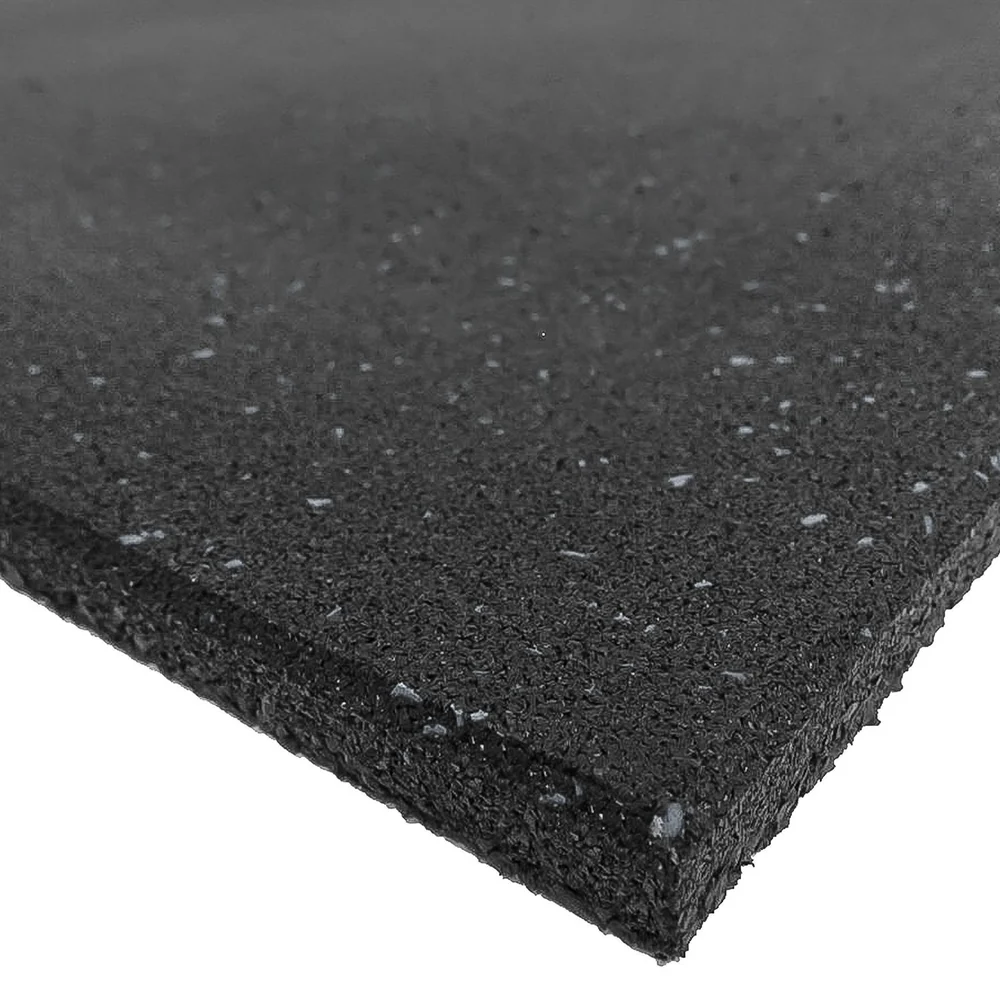
6mm cushion for plank variations, side planks, and floor-based isometric work. Essential for comfort during long holds.
$59 Resistance Bands Set (5-Pack)Variable-tension isometric work. Banded Pallof presses, banded squats with extended pause.
$29 Rubber Hex Dumbbells (5kg pair)Light pair for loaded isometric holds. Walk with arms extended; hold dumbbells at the top of curls.
$49 Rubber Hex Dumbbells (10kg pair)Heavier loaded isometrics. Farmer's carries are the most underrated isometric exercise that exists.
$79 Doorway Pull-Up BarDead hangs and static pull-up holds. The most underrated isometric tool.
$55 Yoga Strap with D-RingSelf-resisted isometric work, pull against the strap for any joint angle.
$15Frequently Asked Questions
Can isometric exercise build muscle?
Yes, though typically less than equivalent dynamic exercise. Isometric training produces 60-80% of the muscle growth that traditional dynamic training produces, with significantly lower injury rates.
How long should I hold an isometric position?
Depends on goal. For maximum strength: 7-second holds at near-maximum effort. For muscular endurance: 30-90 second holds. For rehab and beginner work: 15-30 seconds initially, progressing over weeks.
Are isometric exercises safe?
Generally yes, isometric work has the lowest injury rate of any resistance training. Safety concern: holding breath during maximal effort spikes blood pressure dramatically. Always breathe through holds. People with cardiovascular conditions should consult a doctor before maximal isometric work.
Will isometric exercise help me lose weight?
Yes, particularly when combined with traditional training. Isometric exercise burns calories during the work and raises metabolism for hours after. Wall sits and plank circuits are surprisingly demanding.
How often should I do isometric training?
Daily for short sessions (5-10 minutes). 2-3 times per week as part of longer training sessions. The low joint stress of isometric work allows higher frequency than dynamic strength training.
Why is isometric training underused?
Mostly tradition and visual perception. Dynamic gym lifting dominates fitness culture; isometric work looks boring on Instagram. Most fitness influencers don't include it because it doesn't make engaging video. The training method itself is highly effective and underused relative to the results it produces.
Related Guides
- Core Strengthening Exercises: many isometric exercises target the core
- Balance and Stability Exercises: isometric holds improve balance
- Arthritis-Friendly Exercises: isometric work for joint-friendly strength
- Rotator Cuff Strengthening: isometric holds for shoulder rehab
- Home Workout Essentials: minimum-equipment training
- Strength Training for Runners at Home: Strength training is the most underrated factor in running performance and injury prevention.
Build Your Isometric Training Kit
A premium yoga mat, light dumbbells, resistance bands, a doorway pull-up bar, and a yoga strap. Under $200 buys you the complete isometric training toolkit. Free shipping on orders over $75.
Shop Now