Why Storage Matters More Than You Think
A home gym that's messy doesn't get used. It's that simple. If your dumbbells are scattered across the floor, your resistance bands are tangled in a drawer, and your foam roller has rolled under the couch for the third time this week, you'll skip workouts because the setup feels like a chore. Good storage isn't about aesthetics, it's about reducing the friction between deciding to exercise and actually starting your first set.
The ideal home gym takes 30 seconds to set up and 30 seconds to pack away. Everything has a designated spot. You walk in, grab what you need, train, put it back, and move on. When your equipment lives in visible, accessible locations, you're also more likely to use it because it serves as a constant visual reminder. A neatly stored set of dumbbells says "use me" in a way that dumbbells buried in the back of a cupboard never will.
Australian homes present unique storage challenges. Many of us train in shared spaces, a corner of the living room, a spare bedroom that doubles as a home office, a single-car garage that still needs to fit an actual car. The storage solutions that work in a purpose-built basement gym in an American McMansion don't apply here. We need solutions that are compact, versatile, and respectful of shared space.
Storage Solutions by Equipment Type
Dumbbells: The Heaviest Storage Challenge
Dumbbells are dense, heavy, and need to be kept off the floor where they won't roll, trip anyone, or damage your flooring. Here's how to store them depending on how many you own.
1-2 pairs: A shelf in a cupboard or wardrobe works perfectly. Place them on the bottom shelf (always the bottom, never store heavy weights on upper shelves where they could fall). Lay them flat with the hex edges down so they don't roll. A folded towel underneath protects the shelf from weight marks.
3-5 pairs: A small dumbbell rack is worth the investment. Budget options from Kmart or Bunnings (under $50) hold 3-4 pairs neatly. Position the rack along a wall in your training area, against the wall keeps it out of foot traffic and makes the dumbbells accessible during workouts without walking across the room. Arrange by weight: heaviest on the bottom tier, lightest on top. This is both a safety measure (lower centre of gravity) and practical (you'll grab the heavy ones while standing, the light ones during floor exercises).
6+ pairs: A vertical dumbbell tree (A-frame rack) takes up approximately 60cm × 40cm of floor space and holds up to 10 pairs. This is the most space-efficient solution for larger collections. Place it in a corner where it won't block movement during your workout. Some A-frame racks are wide at the base and narrow at the top, which is ideal, the heaviest weights sit lowest and the rack is inherently stable.
DIY option: Two lengths of treated pine (90cm each, 10cm × 10cm) laid parallel on the floor with a gap between them create a simple dumbbell cradle. The dumbbells rest in the gap, held in place by the hex edges against the timber. Cost: under $15 from Bunnings. This won't win any design awards, but it keeps your dumbbells off the floor, prevents rolling, and is virtually indestructible.
Gym Mats: Rolled vs Flat
How you store your mat depends on what type it is and how much space you have.
Yoga mats and thin exercise mats (under 10mm): Roll them up and store upright in a corner, in an umbrella stand, or on a wall-mounted hook. A mat carrying strap ($18) keeps the roll tight and provides a hanging loop. Wall-mounted yoga mat holders (a dowel rod in two brackets, mounted 120cm high) keep the mat visible and accessible while using zero floor space.
Keeps your mat tightly rolled for storage. The loop doubles as a wall-hanging point. Works with any mat up to 12mm thick.
$18 Interlocking Foam Tiles (6-Pack)Permanent floor protection that doesn't need storage, it IS the floor. Protects timber, tiles, and concrete from dropped weights.
$65 Rubber Hex DumbbellsHex shape means they don't roll when set down. Rubber coating protects floors. The most storage-friendly dumbbell design available.
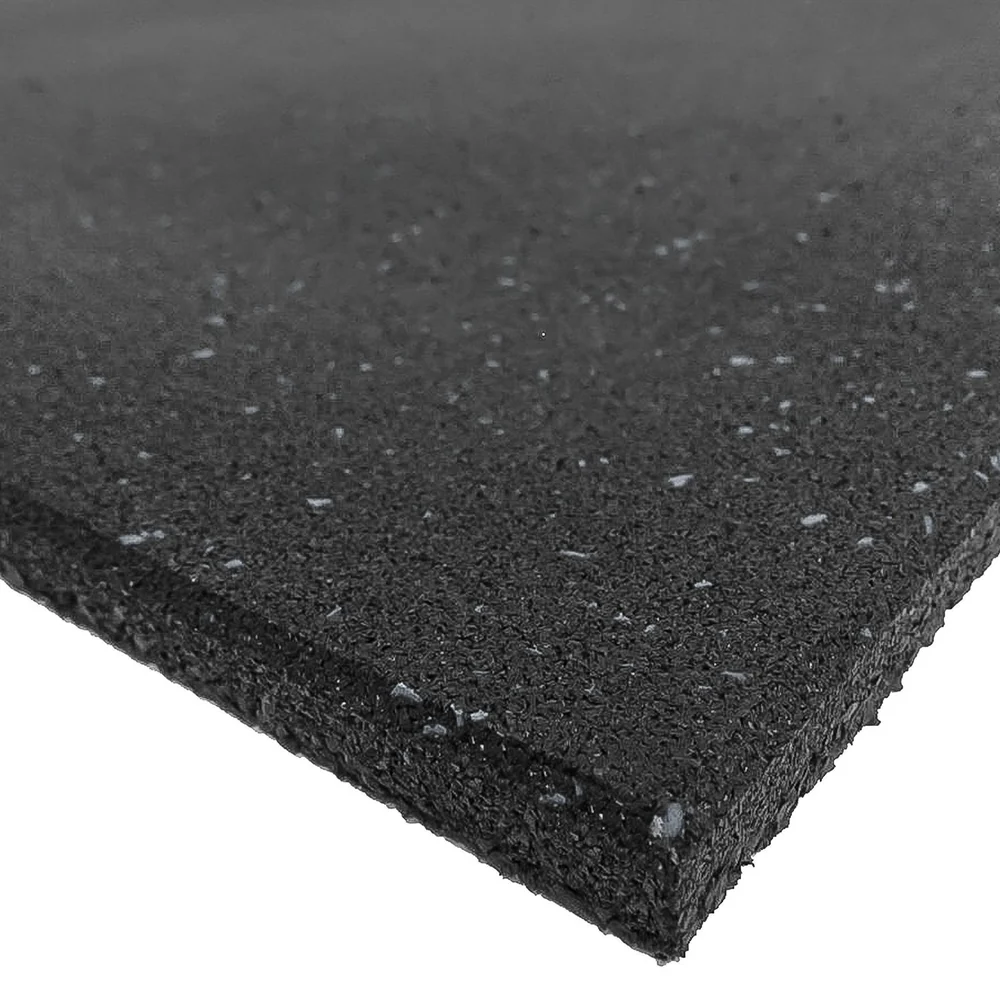
From $19Thick gym mats (15mm+) and rubber mats like the PeterMat Zero: These are too heavy and stiff to roll tightly. Store them flat, leaning against a wall is ideal. Stand the mat on its edge against a wall so it takes up approximately 10cm of floor depth. If you have the wall space, a pair of heavy-duty hooks (rated for at least 20kg) mounted at 80cm and 130cm height will hold the mat flat against the wall, completely off the floor.
Interlocking foam tiles ($65): The best storage solution for a gym mat is not needing to store it at all. Interlocking tiles lay permanently on the floor, protecting your surface from dropped weights and providing cushioning for every workout. They're particularly effective in garages and spare rooms where the floor can be dedicated to training. Once laid, they stay put, no setup, no pack-away, no storage needed. For full details, see our floor protection guide.
Resistance Bands: The Tangle Problem
Resistance bands have a pathological need to tangle with each other. Leave three bands in a drawer for a week and you'll pull out something that looks like rubber spaghetti. Here are the solutions that actually prevent this.
Carabiner method: Clip all your bands onto a single large carabiner ($5 from Bunnings). Hang the carabiner on a hook inside a cupboard door or on the wall. Each band hangs separately, nothing tangles, and you can grab the one you need without disturbing the others. This is the single best band storage hack and it costs almost nothing.
Ziplock bag method: Store each band in its own small ziplock bag with the resistance level written on the outside. Stack the bags in a drawer. This is ideal if you store your bands in a desk drawer at work for lunchtime stretching sessions.
Wall hook method: Mount 3-5 small adhesive hooks on a wall or inside a cupboard door, spaced 10cm apart. Loop each band over its own hook. Label each hook with the resistance level. Quick access, no tangling, and the colour coding is visible at a glance.
What not to do: Don't store bands in direct sunlight or near heat sources. UV light and heat degrade latex and rubber, causing bands to lose elasticity and eventually snap. A drawer, cupboard, or covered container is always better than a window ledge or the boot of your car in an Australian summer.
Foam Rollers: The Rolling Problem
Foam rollers are cylindrical, which means they roll. Across the floor, under furniture, into the path of people walking through the room. Solving this is easier than you'd think.
Upright in a corner: Stand the roller on its end in a corner where two walls meet. The walls prevent it from falling over, and it takes up a circle of floor space roughly 15cm in diameter. This is the simplest and most common solution.
On a shelf: Lay it on a shelf (it won't roll if the shelf is level). Position it at the back of the shelf so other items in front prevent it from rolling forward.
In a basket or bin: A tall laundry basket, umbrella stand, or magazine holder sized for your roller keeps it upright and contained. This also works for storing a yoga mat and roller together.
Wall-mounted: Two L-brackets mounted on the wall 30cm apart, with the roller resting horizontally across them. Position the brackets at waist height for easy access. This uses zero floor space and looks surprisingly clean on a wall.
Small Accessories: Massage Balls, Straps, Towels
The small items are the ones most likely to end up scattered around the house. A massage ball under the couch. A yoga strap draped over a chair. A sweat towel balled up on the kitchen bench. Consolidation is the answer.
The gym box: One medium-sized storage box (a cube organiser insert, a plastic tub, or even a nice canvas basket) that holds ALL small accessories. Massage balls, yoga strap, carrying strap, yoga towel, water bottle, sweat towel, wrist wraps, headband, everything goes in one box. The box lives in your training area (on a shelf, under a bench, or in a cupboard). When you train, you open the box, take what you need, and put it all back when you're done. One container, one rule, zero clutter.
Over-door organiser: A shoe organiser hung over the back of a door provides individual pockets for each small item. This is brilliant for apartments where floor and shelf space is at a premium. Clear pockets let you see everything at a glance.
Wall-Mounted vs Floor Storage
The decision between wall-mounted and floor-based storage depends on your training space and how permanent your setup is.
Wall-mounted storage is ideal when:
- You have a dedicated gym space (garage, spare room) where you can drill into walls
- Floor space is limited and you need every square metre for training
- You want equipment visible and accessible at arm height
- You're storing lighter items (bands, mats, straps), don't wall-mount heavy dumbbells
Floor storage is ideal when:
- You're renting and can't drill into walls (adhesive hooks have weight limits)
- Your equipment is heavy (dumbbells should always be stored at or below waist height)
- You train in a shared room that needs to look "normal" when not in use, floor storage in a cupboard or behind furniture is invisible
- You're starting out and don't want to commit to permanent fixtures
The best setups often combine both: dumbbells on a floor rack or shelf, mats and bands on wall hooks, accessories in a floor-level box. This distributes the weight safely while maximising the use of vertical space.
Compact Storage for Apartments
Australian apartments rarely have spare rooms or garages. If your gym shares space with your living room, bedroom, or home office, these strategies keep equipment contained and invisible when not in use.
Under-bed storage: The space under a standard Australian bed (15-20cm clearance) fits a rolled yoga mat, a set of resistance bands, massage balls, and a yoga strap. Use a flat under-bed storage container with a lid. Slide it out before training, slide it back after. Out of sight, out of mind, but still within arm's reach.
Behind furniture: A pair of dumbbells behind a couch or beside a bookshelf takes up almost no visual space. Lean a gym mat flat against the wall behind a wardrobe. These aren't hidden in a difficult-to-access cupboard, they're one step away from your training area, but they're invisible during daily life.
Multi-purpose furniture: Ottoman-style storage benches serve double duty: seating when you're watching TV, storage for gym gear inside the compartment. Some people store their entire home gym, dumbbells, bands, roller, mat, in a single storage ottoman that sits in their living room. No one knows it's there.
Vertical wall space: Even small apartments have vertical space. Two hooks on the wall behind your bedroom door store a mat and a set of bands. A small floating shelf at 150cm height holds a foam roller and massage balls. Command hooks (removable, rental-friendly) are rated for up to 3kg each, enough for bands, straps, and light accessories.
Keeping Equipment Clean and Organised
Storage isn't just about location, it's about maintenance. Equipment that's stored dirty deteriorates faster, smells worse, and is less pleasant to use. A simple cleaning routine extends the life of your gear and keeps your training space hygienic.
Dumbbells: Wipe down with a damp cloth after each use. The rubber coating attracts dust and absorbs sweat oils. A monthly clean with warm soapy water and a scrubbing brush keeps them looking new. Dry thoroughly before storing, rubber + moisture = mildew smell.
Mats: Wipe with a damp cloth after every session. Deep clean monthly: lay the mat flat, spray with a 50/50 water and white vinegar solution, scrub with a soft brush, rinse, and air dry completely before rolling or storing. For rubber mats like the PeterMat Zero, avoid harsh chemicals, vinegar and water is all you need. See our equipment cleaning guide for detailed protocols.
Resistance bands: Wipe with a damp cloth occasionally. Check for nicks, tears, or thinning every month, a worn band can snap mid-exercise, which is painful and startling. Replace any band that shows signs of wear. Store away from direct sunlight and heat.
Foam rollers: Wipe with a damp cloth after each use (they absorb sweat). A monthly deep clean with warm soapy water keeps the surface from getting slippery. Air dry completely, foam holds moisture like a sponge.
The weekly reset: Once a week (Sunday evening is ideal), spend 5 minutes returning everything to its designated spot, wiping down surfaces, and checking for any equipment that needs attention. This prevents the gradual creep from "organised gym space" to "pile of gear in the corner" that happens when maintenance is neglected.
What to Look for in a Dumbbell Rack
If you own three or more pairs of dumbbells, a rack is worth the investment. Here's what separates a good rack from a frustrating one.
Weight capacity: Add up the total weight of all your dumbbells and buy a rack rated for at least 1.5x that amount. Racks fail at the welds and joints, and a loaded rack that buckles is dangerous. Most budget racks are rated for 100-150kg total. A set of dumbbells from 3kg to 25kg (7 pairs) weighs approximately 196kg total, so you'd need a mid-range rack for that collection.
Footprint: Measure the wall space where the rack will sit. A-frame racks are typically 60-80cm wide and 40-50cm deep. Horizontal racks (shelving style) are wider but shallower. Choose based on whether your space is long and narrow (horizontal) or has a compact corner (A-frame).
Tray vs cradle design: Trays are flat shelves where dumbbells sit on their handles. Cradles have angled notches that hold each dumbbell individually. Cradles are better because each dumbbell is separated and easy to grab, trays allow dumbbells to roll into each other and jam together.
Material: Steel with powder coating is standard and durable. Avoid chrome-plated racks if your gym is in a garage, chrome pits and rusts in humid environments. Powder-coated steel handles Australian garage conditions well.
The Minimalist Storage Setup
If you're starting with the basics, one or two pairs of dumbbells, a mat, a set of bands, and a foam roller, you don't need any special storage equipment at all. Here's how to store everything using things you already own.
- Dumbbells: On the bottom shelf of a bookshelf, or on the floor beside a piece of furniture
- Mat: Rolled and held with a carrying strap ($18), leaning in a corner or standing upright behind a door
- Bands: On a single hook (adhesive or screw-in) inside a cupboard door, secured with a carabiner
- Foam roller: Standing upright in a corner
- Small accessories: In a single box on a shelf or inside an ottoman
Total cost of storage: $18 (the carrying strap) plus a $5 carabiner and hook. Everything else uses space and containers you already have. Start here and only invest in dedicated storage (racks, wall mounts, shelving) when your equipment collection grows beyond what this simple setup can handle.
Related Guides
- Apartment-Friendly Gym Equipment: the most compact equipment choices for small spaces
- Home Gym Setup Guide: planning your space, flooring, and equipment layout
- How to Clean Gym Equipment: keep everything hygienic and long-lasting
- Protect Floors from Gym Equipment: flooring solutions that eliminate damage
- 10 Home Gym Mistakes That Cost You Money and Space: Avoid the 10 costliest home gym mistakes.
- The Lunch Break Workout That Actually Fits Into Your Day: A lunch break workout that fits a 60-minute break: train, shower and get back to work without the sweat.
Start Your Organised Home Gym
A mat carrying strap, hex dumbbells that don't roll, and foam tiles that stay put. Storage-friendly gear from under $20. Free shipping on orders over $75.
Shop Now