Why Glute Training Matters Beyond Aesthetics
The glutes are the largest muscle group in the human body and arguably the most important. They extend your hip when you walk, run, climb stairs, and stand up from a chair. They stabilise your pelvis when you stand on one leg. They protect your lower back by absorbing force that would otherwise travel up your spine. They drive almost every athletic movement worth doing, sprinting, jumping, lifting, kicking. Strong glutes are the difference between an active body that ages well and a body that develops back pain, knee pain, and hip stiffness in its forties.
Aesthetics are a legitimate motivation too. There's no shame in wanting glutes that look the way you want them to look. The good news is that training for shape and training for function produce almost identical workouts. The same exercises that build strong, powerful glutes also create the rounded, lifted shape most women are training toward. You don't have to choose between looking good and moving well.
The bigger problem most women face isn't motivation, it's that modern life systematically deactivates the glutes. Sitting for eight hours a day shortens your hip flexors and teaches your glutes to switch off. By the time you get to the gym, your nervous system has forgotten how to fire those muscles properly. Your hamstrings and lower back take over, which is why so many women feel deadlifts and squats in everywhere except their glutes. Glute training at home, done correctly, fixes that pattern.
The Three Glute Muscles You Need to Train
Most people think of the glutes as one muscle. They're actually three distinct muscles, each with a different role. A complete glute programme trains all three.
Gluteus Maximus
The largest of the three and the one most people picture when they hear "glutes". Gluteus maximus extends the hip, it's what straightens your body from a bent-over position, drives you up out of a squat, and produces explosive force when you sprint or jump. Train it with hip thrusts, glute bridges, deadlift variations, and squats.
Gluteus Medius
Sits on the side of your hip, between the top of your pelvis and the head of your femur. Its job is to abduct the hip (move your leg out to the side) and stabilise your pelvis when you stand on one leg. Weak gluteus medius is one of the most common causes of knee pain, hip pain, and lower-back pain in women, when it doesn't fire, your knee collapses inward during squats, lunges, and running. Train it with banded clamshells, side-lying leg raises, monster walks, and single-leg deadlifts.
Gluteus Minimus
The smallest and deepest of the three, working alongside gluteus medius to stabilise your hip joint. It rarely needs direct training because most exercises that hit the medius also hit the minimus. Banded lateral walks, side-lying leg raises with internal rotation, and step-ups all activate it strongly.
What You Need at Home
You don't need a barbell, a glute machine, or a Smith machine. The most effective home glute setup costs under $200 and fits in a closet.
- A non-slip mat for floor exercises like glute bridges, fire hydrants, and single-leg lifts. A cushioned mat protects your spine and tailbone during bridge variations.
- A pair of medium-weight dumbbells in the 5-10kg range for goblet squats, Romanian deadlifts, and weighted hip thrusts. Most women progress fastest with two sets, a lighter pair for unilateral work and a heavier pair for bilateral compound movements.
- Loop resistance bands: these are the secret weapon of home glute training. Fabric loop bands sit above the knees during squats, bridges, and walks, forcing your glutes to fire constantly to keep your knees from collapsing inward. The constant tension creates a metabolic burn that's hard to replicate without machines.
- A long resistance band for monster walks, banded deadlifts, and standing kickbacks. This is different from loop bands, it gives you variable resistance through full range of motion.
- Optional: a step or aerobic block for raised single-leg work. A stack of foam tiles or a sturdy chair works fine.
12 Glute Exercises That Actually Work at Home
Below are the twelve highest-return glute exercises for home training. They're ordered roughly from least to most demanding. Start with the first six, master the form, and add the rest as you progress.
1. Glute Bridge
Lie on your back with your knees bent and feet flat on the floor about hip-width apart. Drive through your heels and squeeze your glutes to lift your hips toward the ceiling. Hold for two seconds at the top, focusing on the glute contraction, then lower with control. The bridge is the foundation of glute training, it teaches your nervous system to extend the hip with the glutes rather than the lower back.
Add a loop band above your knees for an extra abduction challenge. Press your knees outward against the band as you bridge. Three sets of 12-15 reps.
2. Single-Leg Glute Bridge
Same setup as the standard bridge, but lift one foot off the floor and extend that leg straight. Drive through the heel of the planted foot and lift your hips. The single-leg version triples the load on the working glute and exposes any side-to-side imbalance. Three sets of 8-12 reps per leg.
3. Hip Thrust
The hip thrust is the single most effective glute exercise ever measured. Sit on the floor with your upper back resting against a sturdy couch or chair. Place a dumbbell across your hips (use a folded towel for cushioning). With your feet flat and shoulder-width apart, drive your hips up until your torso is parallel to the floor. Squeeze your glutes hard at the top for two seconds, then lower with control.
Form cues: keep your chin tucked, ribs down, and focus on driving the hips up with the glutes, not arching the lower back. Three sets of 10-15 reps. Add weight progressively as you get stronger.
4. Banded Clamshell
Lie on your side with your knees bent at 45 degrees and a loop band above your knees. Keeping your feet together, open your top knee toward the ceiling against the band's resistance. Pause at the top, then lower slowly. The clamshell isolates gluteus medius better than almost any other exercise. Three sets of 15-20 per side.
5. Goblet Squat
Hold a single dumbbell vertically against your chest, both hands cupping the top end. Stand with your feet slightly wider than shoulder-width, toes turned out 15-20 degrees. Squat down by pushing your hips back and bending your knees, keeping your chest up and your back flat. Drive through your heels to stand back up. Three sets of 8-12 reps with a heavy dumbbell (8-15kg for most women).
6. Romanian Deadlift
Hold a dumbbell in each hand in front of your thighs. With a slight bend in your knees, hinge at the hips by pushing your butt back and lowering the dumbbells along the front of your legs. Keep your back flat and the dumbbells close to your body. You'll feel a strong stretch in your hamstrings, that's correct. Drive your hips forward to return to standing, squeezing your glutes hard at the top. Three sets of 10-12 reps.
7. Reverse Lunge
Stand tall holding a dumbbell in each hand. Step one foot back into a lunge, lowering your back knee toward the floor. Drive through the front heel to return to standing. The reverse lunge loads the front-leg glute heavily and is gentler on the knees than the forward version. Three sets of 8-10 per leg.
8. Bulgarian Split Squat
Place the top of one foot on a bench, low chair, or stack of foam tiles behind you. Hold dumbbells in each hand. Lower into a single-leg squat until your back knee is just above the floor. Drive through your front heel to return. The Bulgarian split squat hits the glute and quad of the front leg with brutal efficiency, three sets of 8-10 per leg is enough to grow new muscle in 6-8 weeks.
9. Banded Lateral Walk
Place a loop band around your thighs, just above your knees. Bend slightly at the hips and knees into an athletic stance. Step sideways, keeping tension on the band. Take 10-15 steps in one direction, then return. The constant tension cooks your gluteus medius. Three sets per side.
10. Step-Up
Use a sturdy chair or bench. Hold a dumbbell in each hand. Step up with one foot, drive through that heel, and step the other foot up to meet it. Step back down with control, leading with the same foot. Eight to ten reps per leg, three sets.
11. Single-Leg Romanian Deadlift
Hold a dumbbell in one hand. Stand on the opposite leg. Hinge at the hip and lower the dumbbell toward the floor while extending your free leg behind you for balance. Your body should form a straight line from head to heel at the bottom. Drive through your standing heel to return. Eight reps per side, three sets. This exercise demands and develops gluteus medius stability, it's worth the awkward first attempts.
12. Hip Thrust March
Get into the hip thrust position with your hips raised. Lift one foot off the floor, then return it. Alternate. The march keeps the glutes under constant tension while challenging your stability. Three sets of 10 per side.
Weekly Programming for Glute Growth
Glutes respond best to two or three dedicated sessions per week, separated by at least 48 hours. Here's a sample weekly split that pairs well with a normal life schedule:
- Monday, Heavy Session: Hip thrusts 4×8, goblet squats 3×10, Romanian deadlifts 3×10, banded lateral walks 3×15 per side.
- Wednesday, Activation + Endurance: Glute bridges 3×15, banded clamshells 3×20, step-ups 3×10, single-leg glute bridges 3×12, hip thrust march 3×10 per side.
- Friday, Unilateral Focus: Bulgarian split squats 3×8 per leg, single-leg Romanian deadlifts 3×8 per leg, reverse lunges 3×10 per leg, banded clamshells 3×20.
Progress by adding weight, reps, or sets every 1-2 weeks. The glutes are a forgiving muscle group, they respond to almost any consistent stimulus, but they grow fastest when you progress the weight on hip thrusts and Romanian deadlifts specifically.
Common Mistakes (And How to Fix Them)
Even with great exercises, certain patterns prevent women from getting results. Watch for these:
- Squatting too narrow. A shoulder-width or slightly wider stance with toes turned out 15-20 degrees recruits the glutes far more than a narrow stance.
- Hyperextending the lower back at the top of a hip thrust. The hips should reach lockout, not arch beyond it. Your ribs should stay tucked.
- Bouncing out of the bottom of squats and lunges. A controlled descent and a deliberate pause at the bottom build twice as much muscle as a bouncy rep.
- Skipping warm-up activation. Two minutes of glute bridges and clamshells before your main session wakes up the glutes so they fire properly during compound lifts.
- Training only sagittal-plane exercises. Squats, deadlifts, and lunges are great, but they all move forward and back. You need lateral work, banded walks, clamshells, side-lying leg raises, to develop the medius and minimus.
- Underloading. Glutes are big, strong muscles that need real resistance. If you can do 25 reps with the same weight every session, the weight is too light.
How Long Before You See Results?
Visible changes take 6-12 weeks of consistent training. Strength and feel improvements come much faster, most women feel a noticeable difference in glute activation within two weeks of starting structured training. Visible shape changes come at around 8 weeks if your nutrition supports growth (enough protein, slight calorie surplus or maintenance) and at around 12 weeks if you're in a deficit and building shape through fat loss rather than tissue gain.
The neurological adaptation, your nervous system learning how to actually fire the glutes during compound movements, happens in the first month. After that, hypertrophy (muscle growth) drives the visible changes. Don't get discouraged if you don't see major shape changes in week 2; the foundation is being built.
Recommended Gear
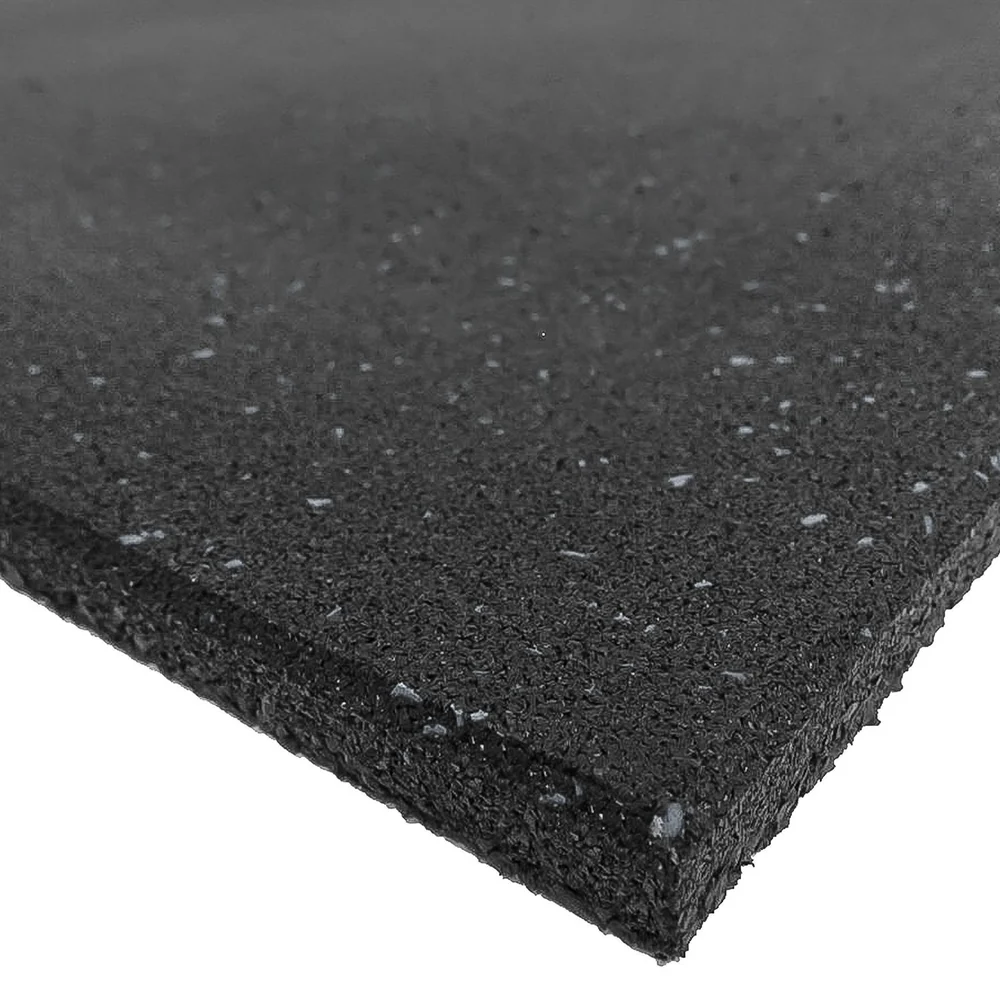
6mm cushioned surface for hip thrusts, bridges, and floor work. Non-slip texture for stability during banded exercises.
$59 Fabric Loop Bands (3-Pack)Three resistance levels for clamshells, banded squats, and lateral walks. Non-slip fabric prevents the band from rolling up your thighs.
$35 Rubber Hex Dumbbells (10kg pair)Best-selling dumbbell weight for hip thrusts, goblet squats, and Romanian deadlifts. Non-roll hex design protects floors.
$79 Rubber Hex Dumbbells (5kg pair)Lighter pair for single-leg work, reverse lunges, and Bulgarian split squats. Pair with the 10kg for full progression range.
$49 Resistance Bands Set (5-Pack)Long bands for banded deadlifts, kickbacks, and pull-throughs. Five resistance levels grow with you.
$29 Foam Roller (45cm)Glute and hamstring recovery between sessions. Rolling out the IT band and TFL keeps your glute medius firing properly.
$39Frequently Asked Questions
Can I really build glutes at home without a gym?
Yes. A pair of dumbbells, a set of loop bands, and a yoga mat are enough to drive significant glute hypertrophy. The key is progressive overload, add weight, reps, or sets each week. Hip thrusts with a single heavy dumbbell are nearly as effective as barbell hip thrusts for women in the 5-25kg loading range, which covers most beginners and intermediates.
How often should I train glutes?
Two to three times per week with at least one day between sessions. Glutes recover faster than most muscle groups, but they still need rest to grow. More than three sessions per week is usually unproductive unless you're an advanced lifter splitting work into different rep ranges.
Why don't I feel my glutes during squats?
The most common reason is gluteus medius weakness, your knees collapse inward during the squat, which shifts the load onto your quads and inner thighs. Add a loop band above your knees during squats to force abduction, and do banded clamshells before each lower-body session. Most women feel a dramatic difference within two weeks.
Will dumbbells alone be enough or do I need a barbell?
Dumbbells are enough for the first 6-18 months of training, depending on your starting strength. By the time you can comfortably hip thrust with a 25kg dumbbell across your hips for 12 reps, you'll have built a foundation of glute strength most women never reach. Some women progress beyond dumbbells eventually, but plenty plateau there happily.
Should I train glutes if I'm trying to lose weight?
Absolutely, and harder than ever. Strength training preserves muscle mass during a calorie deficit, which keeps your metabolism higher and creates the lean, shapely look most women want. Cardio alone tends to produce a smaller version of your current body. Glute training plus a moderate deficit produces visible reshaping.
Are resistance bands really necessary?
Loop bands aren't strictly necessary, but they're the most useful $35 you can spend on glute training. They turn ordinary squats and bridges into glute medius bombs. If you skip everything else, get the loop bands.
Related Guides
- Dumbbell Exercises for Women: a complete guide to dumbbell training tailored for female anatomy and goals
- Hip Mobility Exercises: improve hip flexibility and reduce stiffness from sitting
- Lower Body Home Workout: a full lower-body session including quads, hamstrings, and glutes
- Dumbbell Only Workout Plan: structured 4-week plan using only dumbbells
- Resistance Band Workouts: more band-only routines for full-body training
Build Your Glute Kit
A yoga mat, a pair of 10kg dumbbells, and a set of loop bands. Everything you need to grow stronger, shapelier glutes, under $180. Free shipping on orders over $75.
Shop Now