Grip Is the First Thing That Matters
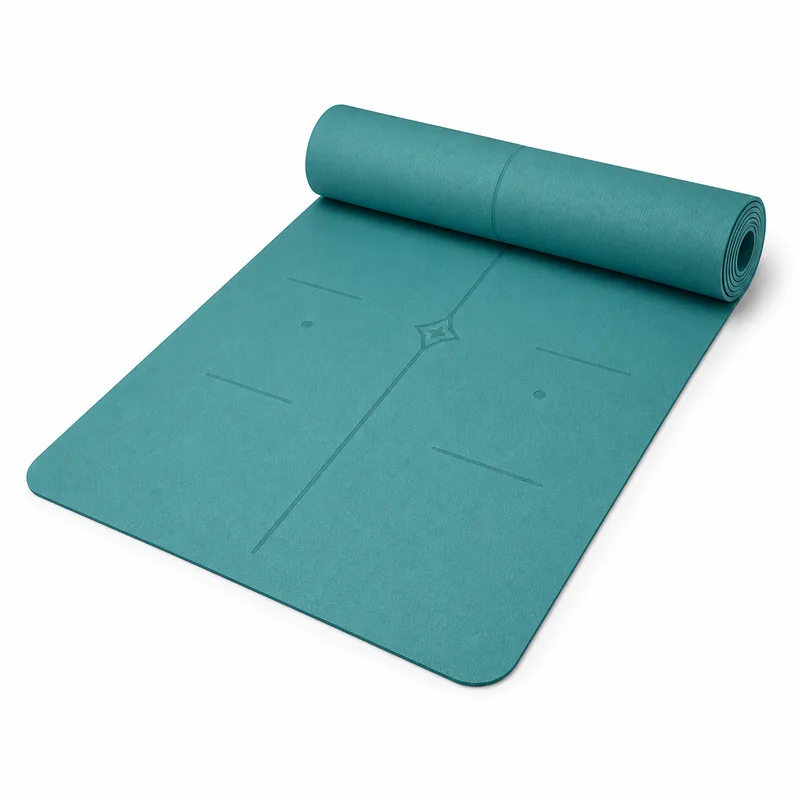
A yoga mat's job is to keep you stable in a pose, everything else is secondary. A mat you slide on during downward dog or a sweaty flow is dangerous and frustrating. Look for a genuinely non-slip top surface that grips even with a little moisture. Alignment markings are a real bonus for self-practice, helping you place hands and feet consistently. If a mat fails on grip, no other feature saves it.
Thickness: The Goldilocks Zone
- 3-4mm: maximum stability and floor connection for balance-heavy practice; less joint padding.
- 5-6mm: the all-rounder. Enough cushion for knees and spine in floor poses, still stable for standing balances. Right for most people.
- 8mm+: extra joint comfort for restorative or sensitive knees, but standing balances feel less stable.
For a single mat that does everything, 5-6mm is the sweet spot, the reason it's the most common premium thickness.
Material
Modern yoga mats are typically PVC, TPE or natural rubber. The practical takeaway for most home practitioners: prioritise a dense, non-slip surface that doesn't off-gas strongly and holds up to regular use. A quality PVC/TPE mat with a true non-slip texture and alignment marks covers the vast majority of home yoga and Pilates needs without the price or maintenance of specialist natural-rubber mats.
Length and Width
Standard mats suit most people, but if you're tall, check the length, your hands shouldn't run off the top in down dog and your mat shouldn't end mid-shin in a lunge. A slightly wider mat helps in wide-leg poses and for larger frames. When in doubt, longer/wider is more forgiving; cramped is the more common regret.
Yoga Mat vs Gym Mat, Don't Confuse Them
A yoga mat is thin, grippy and made for bodyweight poses and stretching. A gym mat is thick, dense and made to protect floors and absorb weights and impact. They're not interchangeable: yoga on a 10mm rubber gym mat is too unstable for balances; weights on a 5mm yoga mat will destroy it and dent the floor. A complete home setup often has both. See gym mat vs yoga mat.
Useful Accessories
Two cheap additions transform a beginner practice: yoga blocks bring the floor closer in poses you can't yet reach, making correct alignment possible; a yoga strap safely extends reach for flexibility work. A non-slip yoga towel is worth it for hot yoga or sweaty sessions. None is essential on day one, but blocks especially accelerate progress.
Our Recommendation
The Premium Yoga Mat ($59), 6mm, genuinely non-slip, with alignment marks: the all-round thickness with the grip that actually matters, suitable for yoga, Pilates and stretching. Add Yoga Blocks ($25) and a Yoga Strap ($15) to support and progress your practice, and a Carrying Strap ($18) if you take it to class.
Recommended Gear
6mm non-slip mat with alignment marks, grippy and supportive for yoga, Pilates and floor work.
$59 Yoga BlocksBring the floor closer in tight poses, essential beginner support.
$25 Yoga StrapExtend reach in stretches and deepen flexibility safely.
$15 Yoga TowelNon-slip absorbent towel for hot yoga and sweaty sessions.
$32 Carrying StrapRoll and carry a mat to class or the park in one hand.
$18 PeterMat RoundCircular mat for mobility, kettlebell and stretching zones.
$89Frequently Asked Questions
What's the best yoga mat thickness?
5-6mm is the all-rounder, enough cushion for knees and spine in floor poses while staying stable for standing balances. 3-4mm maximises stability; 8mm+ adds joint comfort but feels less stable in balances.
What matters most when choosing a yoga mat?
Grip. A mat you slide on during a flow is unsafe and frustrating, and no other feature compensates. Look for a genuinely non-slip surface that holds with light moisture; alignment marks are a useful bonus.
Can I use a yoga mat as a gym mat?
No. A thin grippy yoga mat will be destroyed by weights and won't protect your floor, and a thick rubber gym mat is too unstable for yoga balances. They're different tools, many home setups have both.
What yoga mat material is best?
For most home practitioners, a quality PVC/TPE mat with a true non-slip texture and alignment marks covers everything without the cost or upkeep of specialist natural-rubber mats. Prioritise grip and density over material name.
Do I need a longer yoga mat if I'm tall?
Check the length, your hands shouldn't run off the top in down dog and the mat shouldn't end mid-shin in lunges. If tall or larger-framed, longer and wider is more forgiving; a cramped mat is the common regret.
What accessories should a beginner get with a yoga mat?
Yoga blocks (bring the floor closer so correct alignment is possible) and a yoga strap (safely extend reach for flexibility). A non-slip towel helps for hot or sweaty sessions. Blocks especially speed up progress.
Related Guides
- Gym Mat vs Yoga Mat: why they're different
- Thick vs Thin Yoga Mat: the thickness decision
- Yoga for Beginners: starting a practice
- Best Yoga Accessories: blocks, straps, towels
- Best Mat for Pilates: the Pilates-specific guide
Grip You Can Trust in Every Pose
The Premium Yoga Mat is $59-6mm, genuinely non-slip, with alignment marks. Add blocks and a strap to progress faster.
Shop Now