Why a Treadmill Needs a Mat
A treadmill is heavy (often 60-130kg), vibrates constantly, and concentrates that weight on four small feet. Without a mat you get three problems: permanent dents and pressure marks in carpet and timber, vibration and impact noise transmitted into the rooms and units around you, and dust and carpet fibres drawn up into the motor, shortening its life. A mat fixes all three for under $100, cheap insurance for a machine that cost ten times that.
What Material to Choose
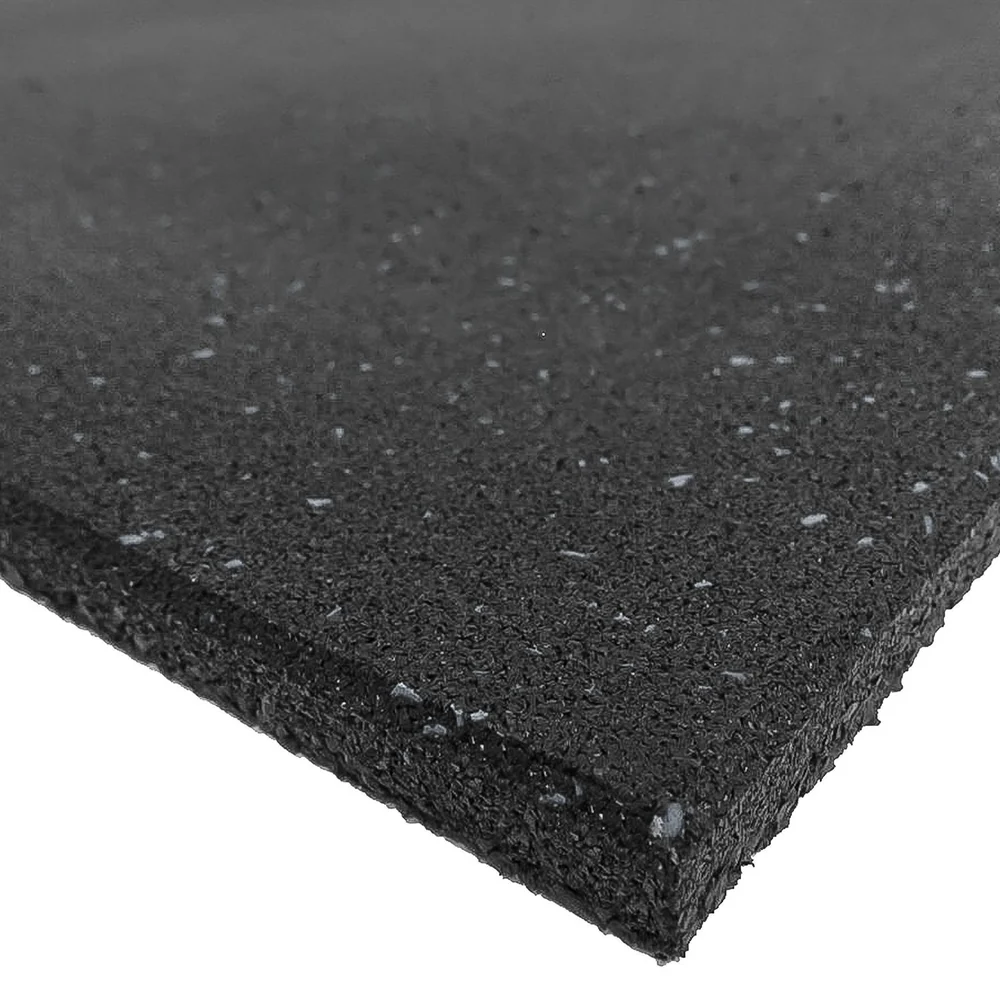
Dense rubber is the clear winner for treadmills. It's the best vibration dampener available domestically, it won't compress permanently under the machine's weight (foam will, leaving a sunken footprint), and it grips the floor so the treadmill doesn't "walk" during use. Recycled rubber like the PeterMat Zero is ideal: heavy enough to stay put, dense enough to kill vibration, tough enough to ignore years of point loading.
Thickness and Size
Thickness: 8-12mm is right. Thick enough to absorb vibration and protect the floor, firm enough that the treadmill stays level and stable. Avoid spongy 15mm+ mats, a treadmill that rocks on a soft base feels unsafe at speed.
Size: the mat must extend past the machine's footprint, especially at the rear where you step on and off and where belt debris lands. Measure your treadmill's footprint and add roughly 20cm each side. Two 1m × 1m mats butted together comfortably cover most folding and mid-size treadmills.
The Noise Problem (Apartments & Upstairs Rooms)
Treadmill noise is mostly structure-borne, vibration travelling through the floor, not air. That's why a neighbour below hears it even with your door shut. A dense rubber mat is the highest-impact, lowest-cost fix: it decouples the machine from the slab. Run during reasonable hours, keep the belt maintained, and add the rubber mat, and the vast majority of "the treadmill is too loud" complaints go away.
Protecting the Treadmill Itself
It's not just your floor, the mat protects the machine. It stops abrasive grit working into the belt and rollers, reduces static, and keeps the motor compartment cleaner. Manufacturers commonly recommend a mat and some warranties expect one. A $79 mat that helps protect a $1,500 machine and its warranty is an easy decision.
Carpet vs Hard Floor
On carpet: a mat stops the feet sinking and crushing the pile permanently, and stops fibres being drawn into the motor, arguably more important on carpet than hard floor.
On timber/tile/laminate: a mat prevents pressure dents, scratches from the feet, and is essential if you ever shift the machine. Either way, the answer is the same dense rubber mat.
Our Recommendation
One or two PeterMat Zero mats ($79 each, free delivery) butted to cover the footprint plus 20cm of rear clearance. Recycled rubber, 14kg, 10mm-class density, it won't move, won't compress, kills vibration, and outlasts the treadmill. If your machine is small/folding, a single mat is often enough; measure first.
Recommended Gear
1m × 1m, 14kg heavy-duty mat made from recycled car tyres. The single best-value protective base for a home gym. Free delivery.
$79 PeterMat RoundCircular version of the Zero, ideal for kettlebell, mobility and stretching zones where you move around a centre point.
$89 Interlocking Foam Tiles (4-Pack)EVA tiles, 60×60cm each. Build a cushioned floor of any size, add packs as your space grows.
$65 Foam Roller (45cm)Daily mobility and post-session recovery, pairs with any mat setup.
$39 Carrying StrapRoll and carry a mat between rooms or to the park in seconds.
$18 Premium Yoga Mat6mm non-slip mat with alignment marks for yoga, Pilates, stretching and floor work.
$59Frequently Asked Questions
Do I really need a mat under my treadmill?
Yes, it prevents floor dents and scratches, cuts vibration noise to neighbouring rooms and units, and keeps abrasive dust out of the motor. Many manufacturers recommend one and some warranties expect it.
What thickness mat is best for a treadmill?
8-12mm dense rubber. Thick enough to absorb vibration and protect the floor, firm enough that the machine stays level and stable at speed. Avoid soft 15mm+ mats that let the treadmill rock.
Will a mat stop my treadmill annoying the neighbours below?
Largely, yes. Treadmill noise is mostly vibration through the floor structure. A dense rubber mat decouples the machine from the slab and is the cheapest high-impact fix. Combine it with sensible hours and belt maintenance.
What size treadmill mat do I need?
The mat should cover the machine's footprint plus about 20cm each side, especially at the rear. Measure your treadmill and butt two 1m × 1m mats together if one isn't long enough.
Rubber or foam under a treadmill?
Rubber. Foam compresses permanently under the machine's concentrated weight, leaving a sunken footprint and losing its dampening. Dense rubber stays put and keeps working for years.
Can I use a treadmill mat on carpet?
Yes, and it's especially worthwhile on carpet, it stops the feet crushing the pile and stops fibres being drawn into the motor, which is a common cause of premature motor failure.
Related Guides
- Protect Floors from Gym Gear: the broader floor-damage guide
- Noise-Reducing Gym Flooring: for apartment cardio
- Best Mat for an Exercise Bike: the same problem, bikes
- Gym Mat Buying Guide: all mat decisions explained
- Home Gym Setup Guide: building the whole space
Protect Your Machine and Your Floor
The PeterMat Zero is $79 delivered, dense recycled rubber that kills treadmill vibration and outlasts the machine sitting on it.
Shop Now