Why Pilates Has Different Mat Needs to Yoga
Mat Pilates spends far more time with the spine, tailbone and shoulder blades pressing into the floor: roll-ups, the hundred, teasers, bridging, articulating the spine vertebra by vertebra. A thin yoga mat that's perfect for standing balances leaves the tailbone and spine grinding on a hard floor. Pilates generally wants more cushioning than yoga, while still staying stable and grippy.
The Right Thickness for Pilates
Aim for the upper end of the all-round range, around 6mm, up to 8mm. That's enough to protect the spine and tailbone through repeated articulation work, without becoming so soft that you lose control and stability in the many balance and core-control elements. A 6mm quality mat is the practical sweet spot for most home Pilates; go a little thicker only if you have a sensitive spine or tailbone.
Grip Still Matters
Pilates involves controlled limb movement against the mat and precise positioning, a slippery surface ruins both. You want the same genuine non-slip top surface a good yoga mat has, so hands, feet and shoulders stay where you place them during slow, controlled reps. Alignment markings help with the symmetry Pilates emphasises.
Stability vs Cushion, Get the Balance Right
Don't over-correct into a thick, squishy mat. Pilates is built on core control and precise stabilisation; if you sink into a marshmallow, your stabilisers can't do their job and exercises lose effectiveness. The goal is supportive cushioning that protects the spine but still gives a stable platform, dense and ~6mm beats soft and 12mm for Pilates.
Reformer vs Mat Pilates
This guide is for mat Pilates (the home-friendly, equipment-light form). Reformer Pilates uses a machine and doesn't need a mat. If you do home mat Pilates, the overwhelming majority of at-home practitioners, a quality 6mm grippy mat plus a couple of accessories is the entire kit you need.
Helpful Pilates Accessories
A few cheap extras genuinely help: a small resistance band adds load to leg and arm work and assists certain exercises; yoga blocks support modifications; a foam roller is used directly in many intermediate Pilates exercises (and for recovery). None are essential on day one, but a band especially extends what you can do on the mat.
Our Recommendation
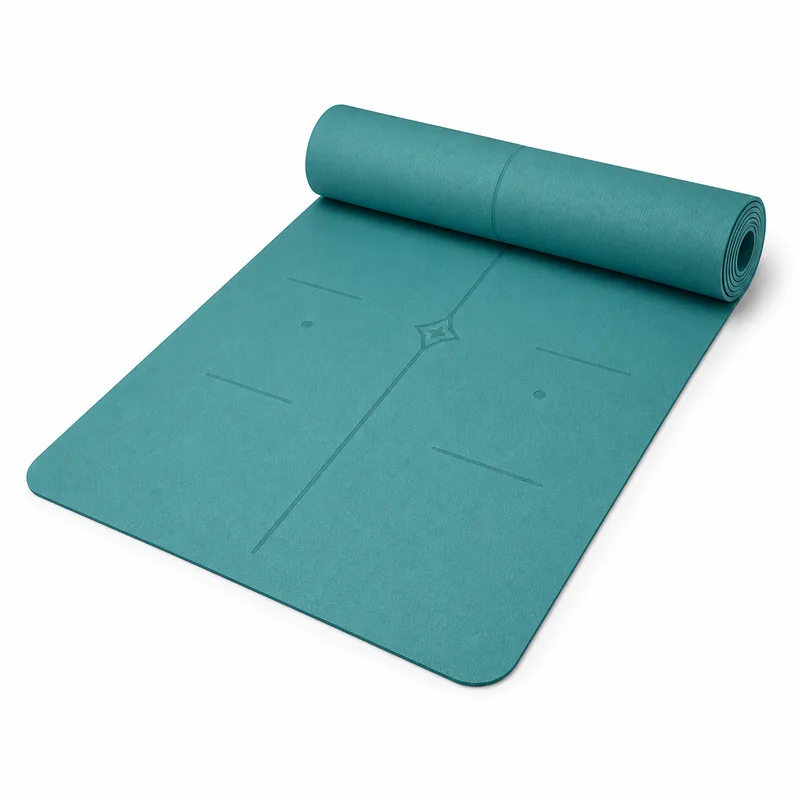
The Premium Yoga Mat ($59) at 6mm, non-slip, supportive and stable: enough cushion for spine and tailbone work without sacrificing the control Pilates demands. Add a Resistance Bands Set ($29) to load and assist exercises, and a Foam Roller ($39) for the roller-based Pilates work and recovery.
Recommended Gear
6mm non-slip mat with alignment marks, grippy and supportive for yoga, Pilates and floor work.
$59 Resistance Bands SetFive tension levels, the best-value strength buy for any beginner.
$29 Foam Roller (45cm)Daily mobility and post-session recovery for every training style.
$39 Yoga BlocksBring the floor closer in tight poses, essential beginner support.
$25 Interlocking Foam Tiles (4-Pack)EVA tiles, 60×60cm, soft, expandable, ideal for a quiet floor-work zone.
$65 Carrying StrapRoll and carry a mat to class or the park in one hand.
$18Frequently Asked Questions
What's the best mat thickness for Pilates?
Around 6mm (up to ~8mm for a sensitive spine). Pilates spends a lot of time with the spine and tailbone on the floor, so it needs more cushion than yoga, but not so soft that you lose the control and stability the method depends on.
Can I use a yoga mat for Pilates?
A 6mm grippy yoga mat works well for Pilates. A thin (3-4mm) yoga mat leaves the tailbone and spine grinding on the floor during roll-ups and articulation work, so go for the thicker end of the yoga range.
Does a Pilates mat need to be non-slip?
Yes. Pilates uses slow, controlled limb movement against the mat and precise positioning; a slippery surface ruins control. Look for the same genuine non-slip top a good yoga mat has, ideally with alignment marks.
Should a Pilates mat be very thick and soft?
No, over-soft mats undermine the core control and stabilisation Pilates is built on. You want supportive cushioning that protects the spine but stays stable. Dense and ~6mm beats soft and 12mm for Pilates.
Do I need special equipment for mat Pilates at home?
Not for reformer-free mat Pilates. A quality 6mm grippy mat, a resistance band, and a foam roller cover the vast majority of home mat Pilates exercises and modifications.
Is a Pilates mat different from a gym mat?
Yes, a gym mat is thick, dense rubber for weights and floor protection and is too unstable and firm for Pilates spine work. Use a grippy 6mm exercise/yoga-style mat for Pilates.
Related Guides
- Pilates Equipment for Home: the full kit
- Best Yoga Mat Australia: the yoga-mat guide
- Thick vs Thin Yoga Mat: the thickness decision
- Core Strengthening: Pilates-style core work
- Stretching for Flexibility: complement to Pilates
Protect Your Spine Through Every Roll-Up
The 6mm Premium Yoga Mat ($59) cushions spine and tailbone without sacrificing control. Add a band and roller for a complete Pilates kit.
Shop Now