Why 10 Minutes Hits the Sweet Spot
Ten minutes is long enough to do real work and short enough to fit into any day. Five minutes is barely warm-up time for serious training; thirty minutes requires a structural commitment most adults can't sustain daily. Ten minutes gets you 5-6 working sets of compound exercises plus rest, enough to drive measurable strength and conditioning improvements when done consistently. It's also short enough to do twice a day if you want, which doubles the effective training volume without requiring any additional planning.
Research on training time-effectiveness consistently finds that 80% of the strength and cardiovascular benefits of long sessions come from the first 10-15 minutes of work. The marginal returns on additional time are real but small. For most non-competitive adults, three weekly sessions of 10-15 minutes produces 70-80% of the results that 5 weekly hour-long sessions would produce, at one-fifth the time investment.
Equipment You Need
- Two pairs of dumbbells: a moderate pair (5-10kg) and a heavier pair (10-15kg). 10-minute sessions move fast, and you don't have time to swap loads constantly.
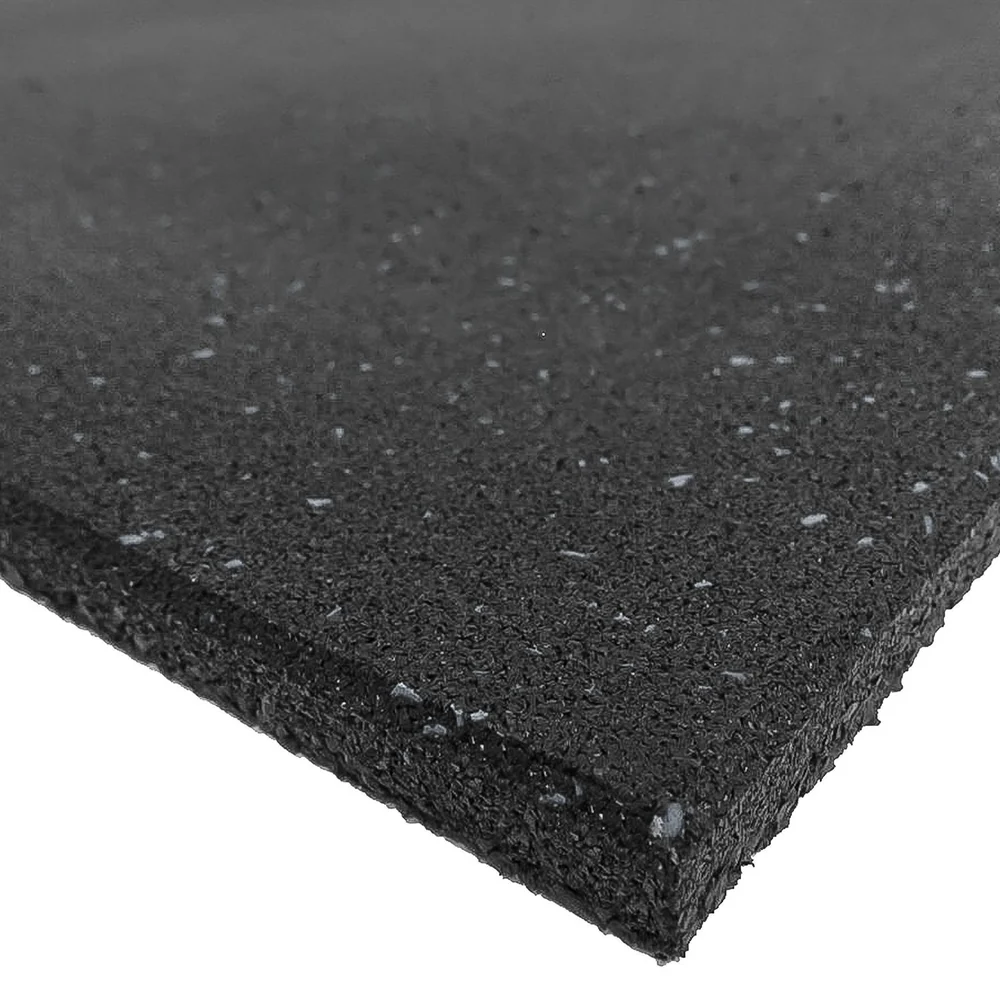
- A non-slip mat for floor work and impact protection.
- Resistance bands for accessory work.
- A jump rope for the cardio routines.
- A doorway pull-up bar if possible, it expands the routine library substantially.
Routine 1: Full-Body Strength Circuit
The most efficient 10 minutes for general strength. Three rounds of 5 exercises, 30 seconds work / 10 seconds rest:
- Goblet squat: 30 seconds, smooth controlled reps with a heavy dumbbell
- Push-up: 30 seconds, modified to your level
- Single-arm dumbbell row: 30 seconds per side (split across rounds)
- Romanian deadlift: 30 seconds with controlled hinge form
- Plank: 30 seconds
Three rounds with 60-second rests between rounds. Total: 10 minutes. Three sessions per week produces meaningful strength and body composition changes.
Routine 2: Lower Body Power
All legs and glutes. Three sets of each exercise:
- Goblet squat: 3 sets of 10 with a heavy dumbbell
- Reverse lunges: 3 sets of 10 per leg
- Single-leg Romanian deadlift: 3 sets of 8 per leg
- Hip thrust: 3 sets of 12 with a dumbbell across the hips
- Calf raises: 3 sets of 15
Rest 30 seconds between sets. Total: 10 minutes.
Routine 3: Upper Body Push/Pull
Balanced upper body session:
- Push-ups: 3 sets to near-failure
- Bent-over row: 3 sets of 10
- Overhead press: 3 sets of 8
- Dumbbell curl: 3 sets of 12
- Tricep extension: 3 sets of 12
- Banded face pull: 3 sets of 15
Rest 30 seconds between sets. Total: 10 minutes.
Routine 4: Cardio HIIT
High-intensity interval training in 10 minutes. 40 seconds work / 20 seconds rest, alternating between cardio and strength:
- Round 1 (4 min): Jump rope, mountain climbers, jumping squats, burpees
- Active rest (1 min): Walk in place, breathe deeply
- Round 2 (4 min): Jump rope, push-ups, lunge jumps, plank to push-up
- Cool-down (1 min): Slow walking
Brutal but effective. Two sessions per week is plenty.
Routine 5: Core Focus
Pure core work in 10 minutes:
- Plank: 3 sets of 45 seconds
- Side plank: 3 sets of 30 seconds per side
- Dead bug: 3 sets of 8 per side
- Hollow body hold: 3 sets of 30 seconds
- Russian twist with dumbbell: 3 sets of 10 per side
- Ab rollout: 3 sets of 8 if you have an ab roller, otherwise extra hollow body holds
Routine 6: Mobility & Recovery
Active recovery for between strength sessions or for desk-tied days:
- Cat-cow: 1 minute slow continuous reps
- World's greatest stretch: 1 minute (30 seconds per side)
- Hip flexor stretch: 1 minute (30 seconds per side)
- Thoracic extension over foam roller: 2 minutes
- 90/90 hip stretch: 1 minute (30 seconds per side)
- Pigeon pose: 1 minute (30 seconds per side)
- Child's pose with reach: 1 minute
- Banded shoulder pass-through: 1 minute
- Standing forward fold: 1 minute
Programming for the Week
A simple weekly structure for 10-minute sessions:
- Monday: Routine 1, Full-body strength
- Tuesday: Routine 4, Cardio HIIT
- Wednesday: Routine 2, Lower body
- Thursday: Routine 6, Mobility
- Friday: Routine 3, Upper body
- Saturday: Routine 5, Core focus
- Sunday: Rest or repeat Routine 6
Total weekly training: 60 minutes. Most people get 70-80% of the benefits a 5-hour weekly programme would produce.
How to Make 10 Minutes Actually Work
- Set the equipment up the night before. Removing the friction of finding gear in the morning saves 2-3 minutes per session.
- Use a circuit timer. A clear bell or beep eliminates the temptation to keep checking your phone.
- Don't rest more than the prescribed time. 10 minutes of work means 10 minutes of work, the rest is the rest in the programme, not extended Instagram scrolling.
- Track progress. Note the weight you used and the reps you got. Increase one thing every 1-2 weeks.
- Rotate routines weekly. Doing all six in rotation prevents both adaptation and boredom.
Recommended Gear
The bread-and-butter weight for 10-minute sessions. Goblet squats, Romanian deadlifts, presses, rows.
$79 Rubber Hex Dumbbells (5kg pair)Lighter pair for unilateral work and accessory exercises.
$49 Rubber Hex Dumbbells (15kg pair)Heavy pair for advanced lifters. Most people progress here within 2-3 months.
$109 PeterMat ZeroHeavy-duty 1m × 1m mat with 14kg of recycled rubber. The cushion needed for HIIT and floor work.
$79 Resistance Bands Set (5-Pack)Five resistance levels for accessory work in upper body and HIIT routines.
$29 Ab Roller WheelDual-wheel ab roller for the core routine. The most demanding core exercise that exists.
$29Frequently Asked Questions
Is 10 minutes really enough?
Three weekly 10-minute sessions produce meaningful strength, conditioning, and body composition improvements over months. It's not the absolute optimum for elite performance, but it's far more effective than what most people get from sporadic 60-minute sessions.
Should I rest between exercises in a 10-minute circuit?
Minimal rest (10-30 seconds) between exercises in a circuit. 30-60 seconds between rounds. 10 minutes of total session time means you should be working most of those 10 minutes.
Can I do 10 minutes every day?
Yes, with appropriate variation. Daily strength work needs a split (upper/lower or push/pull/legs) to allow muscle recovery. Daily cardio or mobility is fine. Mix routine types throughout the week.
How heavy should my dumbbells be?
Heavy enough that 10 reps feel challenging by the end of a set. For most adults, that's 5-10kg starting and 10-15kg as you progress. Light dumbbells you can rep 25 times don't produce strength adaptations.
What if I want to extend a session to 20 minutes?
Run two of the routines back-to-back, or do two rounds of the same routine. The infrastructure of the 10-minute session scales well to 20 minutes.
How quickly will I see results?
Strength in week 1. Visible muscle changes at 6-10 weeks. Body composition improvements (with reasonable nutrition) at 8-12 weeks. Long-term, three weekly 10-minute sessions for a year produces approximately the results most casual gym-goers achieve in 18-24 months of inconsistent attendance.
Related Guides
- 5-Minute Home Workout Routine: even shorter sessions for the busiest days
- 15-Minute Home Workout Routine: step up to 15 minutes for more comprehensive work
- Morning Workout Routine: stack 10-minute sessions into a daily morning habit
- HIIT Equipment for Home: gear for high-intensity interval training
- Home Workout Essentials: minimum-viable equipment guide
- Home Gym for Couples: Equipment That Works for Both of You: Build a home gym that works for both of you.
- Home Gym Storage Ideas That Actually Work: Practical home gym storage solutions for dumbbells, mats, bands, and rollers.
- The Lunch Break Workout That Actually Fits Into Your Day: A lunch break workout that fits a 60-minute break: train, shower and get back to work without the sweat.
Build Your 10-Minute Workout Kit
Two pairs of dumbbells (5kg + 10kg), a heavy-duty mat, resistance bands, and an ab roller. Under $250 buys you everything you need for years of effective short workouts. Free shipping on orders over $75.
Shop Now